When SofTap may not be right for you
Written by Janette Archer

When should you postpone a SofTap appointment?
The clearest permanent makeup contraindications are pregnancy and breastfeeding. SofTap involves placing pigment into the skin, so I ask clients to wait until nursing has finished before booking.
I also will not treat anyone who is under the influence of drugs or alcohol on the day of the appointment. I need you alert, able to give informed consent and ready to follow the aftercare instructions.
Recent Botox or filler in the treatment area is another reason to wait. I require at least four weeks after those treatments before SofTap. The skin and surrounding tissue need time to settle before I assess the shape and proceed.
If you already have permanent makeup or scalp micropigmentation from another technician and want corrective work, please contact me first with clear photographs taken in natural daylight. I need to assess the existing pigment, shape and skin before deciding whether a new treatment is appropriate.
Who may not be a good candidate because of their skin?
I screen for active eczema, psoriasis and rosacea before a permanent makeup treatment. Treating through an active flare can aggravate the skin and make healing less predictable. Depending on what I see, I may recommend waiting until the condition is calm or asking you to speak with your dermatologist.
A history of keloid or spontaneous keloid scarring is especially important. Any tattooing procedure creates controlled skin trauma, and people who form keloids may develop an abnormal raised scar. In that situation, SofTap may not be suitable. I would rather decline a treatment than expose you to a risk that does not make sense for your skin.
Diabetes and immune-compromising conditions do not automatically mean that treatment is impossible, but they can affect healing and infection risk. I need those details in your health history. Some clients may require physician clearance before I can proceed.
Please tell me about allergies, previous reactions to pigments or cosmetics, and any history of unusual healing. A consultation is not a formality. It gives me the information needed to decide whether the treatment should go ahead, be delayed or be avoided.
Which medicines and health conditions should you disclose?
Blood-thinning medication and supplements must be discussed before booking. They can affect how the skin responds during a procedure. Do not stop a prescribed medicine on your own. Instead, tell me what you take so we can decide whether medical guidance is needed.
I also ask about conditions that affect immunity, circulation or wound healing. Your health history may not prevent treatment, but it can change the timing or require clearance from your healthcare provider. Honest answers help me plan safely and set realistic expectations.
If you are unsure whether a medicine, supplement or diagnosis matters, bring the name or a current medication list to the consultation. It is better to ask before the appointment than to discover a concern when treatment is about to begin.
Does SofTap suit everyone who is considering microblading?
SofTap and traditional microblading are not the same procedure. SofTap uses a manual hand tool to tap pigment into the skin, while microblading uses a blade-style tool to create hair-like incisions. I explain the distinction so you understand which treatment you are booking.
Some people searching for who can't get microblading are actually asking whether any brow tattoo is appropriate for them. The same screening questions still matter, regardless of the method. A gentle technique is not a reason to ignore pregnancy, active skin disease, keloid history or medical concerns.
If you are comparing methods, my guide to SofTap and traditional microblading explains the practical differences. Existing faded work also needs individual assessment before I decide on any new treatment.
What happens if I am not suitable today?
Being asked to wait does not necessarily mean you can never have treatment. If the issue is pregnancy, nursing, recent Botox or filler, or an active skin flare, postponing may be the sensible answer. We can reassess once the relevant waiting period has passed and your skin is settled.
For medical conditions, I may ask for physician clearance. I will also explain when I believe the risk remains too high. Permanent makeup is a tattoo, and although the color softens over time, some pigment remains in the skin. Decisions should therefore be made carefully, not rushed because of a special occasion.
When treatment does go ahead, I use numbing to support comfort and provide aftercare instructions for the treated area. The color can look darker for the first few days, then soften during healing over several weeks. You should not pick flaking or scabs, and you should contact me about unusual swelling, redness, warmth, discomfort or any concern beyond what we discussed.
You can find the studio's contact and location information for Micropigment Studio in San Jose, California. You can also review my permanent cosmetic tattooing aftercare guidance so you understand the responsibilities that follow an appointment.
If you are considering SofTap, you are welcome to book a consultation so I can review your health history, skin and expectations with you.
Frequently asked questions
Can I get SofTap if I take aspirin every day?
You should disclose daily aspirin and all other blood-thinning medicines or supplements before booking. Do not stop prescribed treatment without speaking with your healthcare provider. I may recommend postponing the appointment or obtaining medical guidance, depending on why you take it and your individual health history.
Can I have SofTap during a psoriasis-free period?
Possibly, but I still need to assess the treatment area and your history. I do not treat active psoriasis or eczema flares. If your skin is calm, I may discuss timing and any need for dermatologist input. Suitability depends on the area, severity and how your skin usually heals.
Is SofTap suitable for people with sensitive skin?
Sensitive skin does not automatically rule out SofTap. The manual hand method allows controlled pigment placement and is suited to clients who prefer a quieter, less machine-driven procedure. Sensitivity, however, is different from an active skin disease or a history of abnormal scarring, which requires closer screening.
How old must I be to receive SofTap at Micropigment Studio?
Clients must be at least 18 years old. I also require a health history review before treatment. Age alone does not determine suitability, so I will still ask about skin conditions, medication, allergies, healing history and your expectations for the finished result.
Can old microblading prevent me from getting SofTap?
Not always, but existing pigment can affect the shape, color and design options. I need to see clear photographs in natural daylight before booking corrective work. Depending on how much pigment remains and whether the old shape is suitable, I will advise on the best next step.
Can I get SofTap if I have diabetes?
Diabetes may affect healing and infection risk, so it must be included in your health history. It is not an automatic answer either way. I may require physician clearance before proceeding, particularly if your condition is not well controlled or you have experienced delayed healing before.
What if I have formed a raised scar after a previous tattoo?
Tell me before scheduling. A raised scar may indicate a keloid or hypertrophic scarring tendency, and these conditions can worsen after further skin trauma. If you have a history of keloids or spontaneous keloids, permanent makeup may not be suitable, and medical advice may be appropriate.
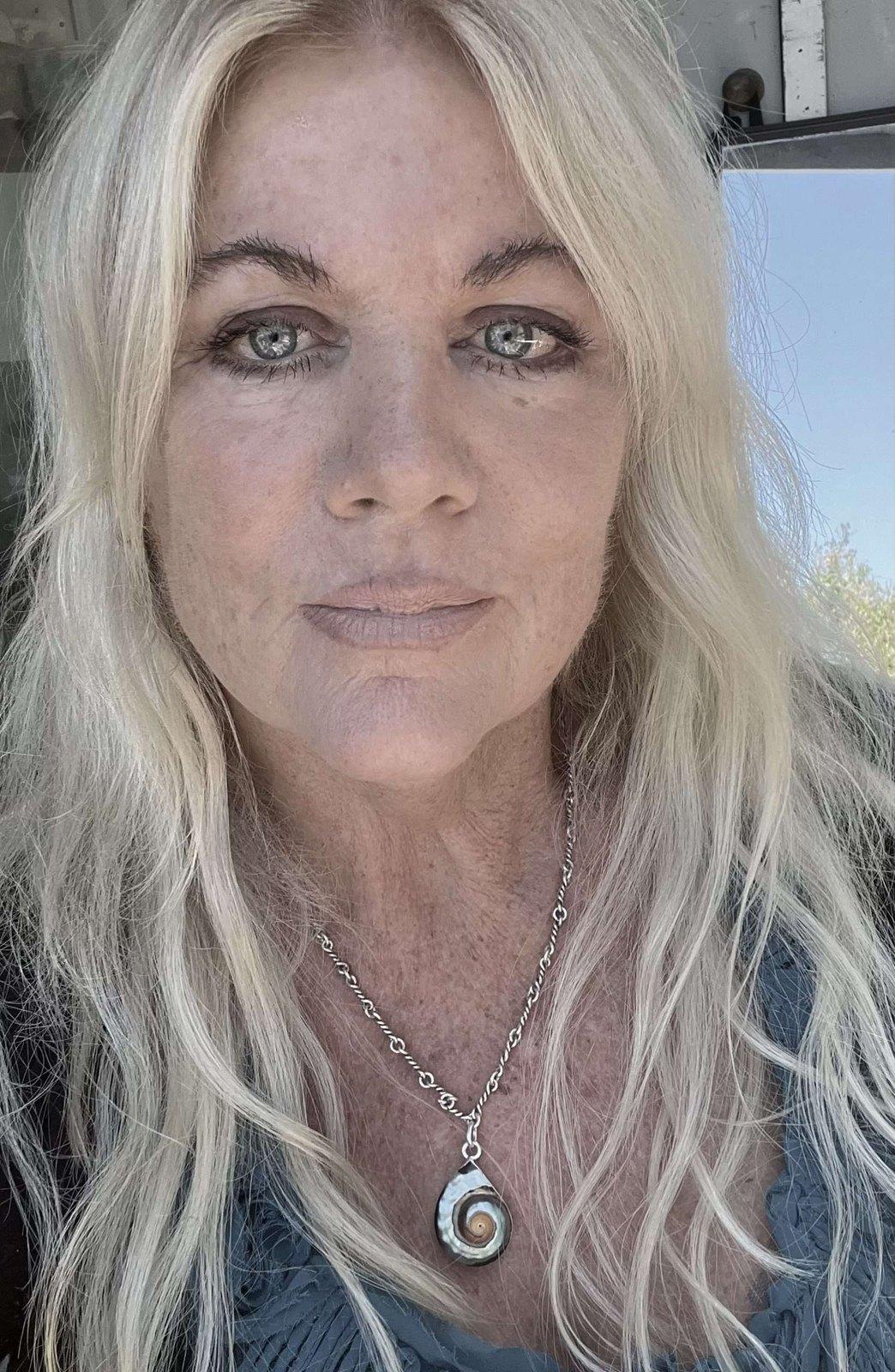
Janette Archer
SMP and permanent makeup artist
Janette studied at Elegance International Academy of Professional Makeup in west Los Angeles, receiving her certification in makeup artistry for television and photographic makeup in 1978.
Meet JanetteFind us first on Google