What to expect from SMP as your appearance changes
Written by Janette Archer
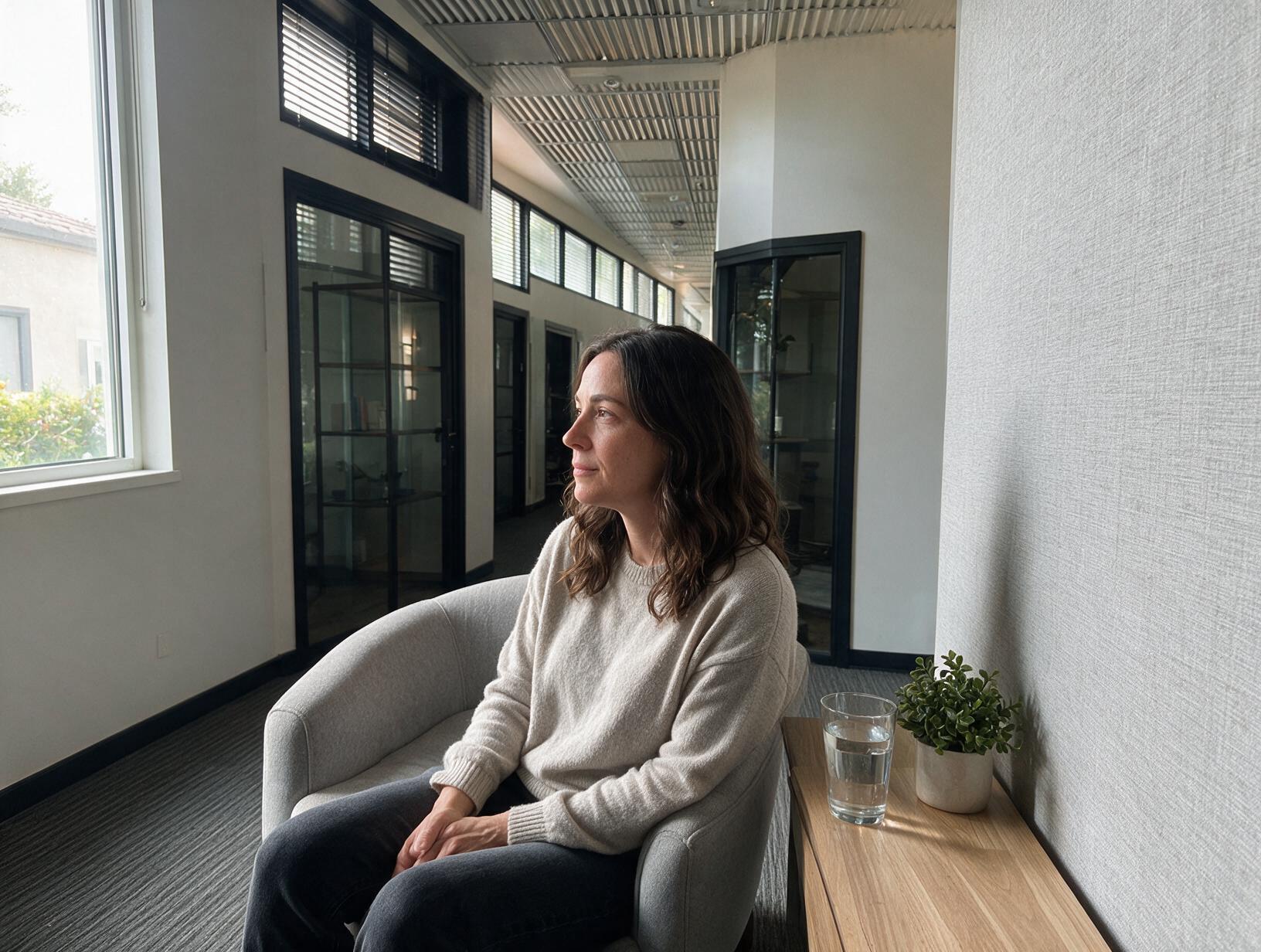
Scalp micropigmentation usually softens gradually as the years pass rather than disappearing suddenly. Your natural hair loss, gray hair, skin type, sun exposure, and pigment placement all affect the result. A well-planned hairline and occasional refresh can help your SMP continue to look appropriate as your appearance changes.
What happens to SMP over time?
When I discuss scalp micropigmentation aging with a client, I explain that SMP is intended to be long lasting, but it is not frozen in time. The pigment sits in the upper layers of the skin, where it can gradually become softer as the skin renews itself. It does not wash away with shampoo.
In many cases, the change is gradual. Individual impressions may lose some definition and the overall result may look lighter. That is different from pigment suddenly vanishing or changing overnight. How long the result stays crisp varies with skin type, sun exposure, skincare habits, metabolism, medications, and the condition of the scalp.
Some clients choose a refresh when the pigment has softened enough that the contrast between scalp and hair is returning. A refresh should be approached carefully. Adding too much pigment too soon can create an overly dense appearance, so I prefer to assess how the existing work has settled before deciding what, if anything, is needed.
You can read my scalp micropigmentation treatment overview for a broader explanation of how the procedure creates the appearance of follicles and density.
Does SMP change as hair thins?
Yes, your hair can continue to change after treatment, because SMP does not stop hair loss or alter natural growth. It creates a visual reduction in the contrast between your scalp and hair. If surrounding hair becomes thinner, more of the scalp may show beyond the area that was originally treated.
This does not automatically mean the SMP has failed. It means the original plan may need to be reassessed. For some people, density treatment between existing hairs remains a useful option. For others, a shorter hairstyle or a softened hairline may look more balanced as hair loss progresses.
I consider your current pattern, likely future changes, hairstyle, age, facial structure, and expectations before agreeing on a design. With diffuse thinning, particularly in women, the frontal hairline is often maintained while density reduces across the scalp. The approach should therefore be different from creating a shaved-head look for a fully bald client.
A cautious, age-appropriate hairline matters. A hairline that looks convincing today may look too low or too sharp later if the face and natural hair pattern change. I want the design to leave room for your appearance to develop rather than force you into one fixed look.

What if my hair turns gray?
SMP pigment is selected to complement your current hair follicle color. If your natural hair becomes gray or white later, the original shade may no longer provide the same visual match. That is one reason I discuss likely changes in hair color during consultation, rather than treating the current shade as the only consideration.
Gray hair over time does not necessarily mean you need all of your SMP removed. The appropriate response depends on how much your hair has changed, how visible the pigment is, and whether the result still blends naturally. Sometimes a softer result is preferable to trying to make the pigment match every new hair exactly.
Clients sometimes worry that scalp pigment will become blue or gray as it heals. Poor pigment choice, incorrect depth, or unsuitable technique can affect how pigment looks. I recommend reviewing healed examples, not only fresh treatment photographs, and asking what pigments and method the practitioner uses. My guide to scalp pigment color changes during healing explains this concern in more detail.
How can I help my results age well?
Long-term care begins after the initial healing period. Follow the aftercare instructions you receive, keep the area protected from excessive sun, and use broad-spectrum sunscreen on the scalp once the skin has healed. Regular sun exposure can contribute to fading and color change.
Before treatment, disclose allergies, medications, skin conditions, and any history of keloid scarring. SMP is a cosmetic tattoo procedure, not a treatment for the cause of hair loss. If hair loss is new, sudden, or unusually patterned, it is sensible to discuss the underlying cause with an appropriate healthcare professional before proceeding. In suspected female pattern hair loss, medical assessment may be needed to rule out other conditions that can look similar.
During consultation, I also look at whether your expectations are realistic. SMP should allow some natural scalp to show through. It is not meant to look like a solid layer of paint. The result should work with your hair, skin tone, lifestyle, and preferred level of maintenance.
For the first few days after each session, keep the scalp dry, avoid heavy exercise, steam rooms, hot showers that cause sweating, and direct sun exposure. Do not pick at flaking or scabbing. After healing, protect the area consistently. These simple habits can help preserve the appearance of the work.
How should I choose a practitioner for long-term results?
Look closely at healed work, especially hairlines and density treatments. Fresh photographs can appear darker and more defined than healed results, so ask to see examples at different stages. A consultation should cover your skin type, lifestyle, medical history, hair loss pattern, preferred hairstyle, and expectations.
I have worked in makeup, esthetics, and micropigmentation for many years, and I continue my SMP education. I was certified in SMP in 2021 and certified again in 2022. My work is based on careful placement, pigment selection, and a design that respects your features and the possibility of future change.
A qualified practitioner should follow local licensing and sanitation requirements, hold appropriate body art and bloodborne pathogens credentials, and explain risks honestly. Ask how the practitioner approaches patch testing, aftercare, corrections, and possible future removal. SMP can be removed with laser treatment, but prevention is preferable because removal can be more complicated when the original work was placed incorrectly.
Micropigment Studio is in Willow Glen, San Jose, California. You can find the studio's contact and location information before arranging a consultation.
If you are considering treatment, you are welcome to book a consultation and we can talk through how your hair and appearance may change.
Frequently asked questions
Can I have SMP if I plan to grow my hair longer later?
Possibly, depending on your hair density, pattern, and goals. SMP can be placed between existing hairs, not only on a shaved scalp, but the design must suit the way your hair is likely to be worn. I would discuss visibility, blending, and realistic density during consultation before recommending an approach.
Will SMP make future hair loss look more noticeable?
It can change the contrast between treated and untreated areas if hair loss progresses beyond the original design. This is why I avoid planning only for today’s hairline. A conservative design, appropriate density treatment, and periodic reassessment can help the result remain balanced if your natural hair continues to thin.
Can I change my SMP hairline when I get older?
The design can sometimes be softened or adjusted visually as your appearance changes, but pigment cannot simply be erased by changing the drawn line. Any correction or removal decision requires an individual assessment. I recommend choosing a conservative, age-appropriate hairline from the beginning and reviewing healed work before treatment.
Does oily skin affect how SMP ages?
Oily skin may cause pigment to soften or fade sooner for some clients, while other skin and lifestyle factors also matter. Sun exposure, skincare, metabolism, medications, and scalp condition can influence longevity. I assess your skin and explain that maintenance timing varies rather than promising one fixed schedule.
Can SMP cover a scalp scar as I age?
SMP may camouflage certain scalp scars, but scar tissue can retain pigment differently from ordinary scalp skin. The scar’s age, texture, color, and stability matter. A consultation should include an honest assessment of whether the area is suitable, how much coverage is realistic, and whether more than one treatment stage may be appropriate.
What should I do if my SMP looks uneven after healing?
Contact your practitioner rather than trying to correct it yourself. Early healing can include darkening, flaking, and temporary unevenness, so the finished appearance should be judged after the skin has settled. If a genuine issue remains, the practitioner can assess whether it needs time, a careful adjustment, or another form of correction.

Janette Archer
SMP and permanent makeup artist
Janette studied at Elegance International Academy of Professional Makeup in west Los Angeles, receiving her certification in makeup artistry for television and photographic makeup in 1978.
Meet JanetteFind us first on Google