What to do the day before your first SMP appointment
Written by Janette Archer
What should I do the day before my appointment?
My main advice is to keep your preparation simple. Drink water regularly, eat a proper meal, and avoid anything that may make your scalp more sensitive or affect how it responds during treatment.
Avoid alcohol and coffee for the 24 to 48 hours before your appointment, and skip alcohol the day before in particular. I also ask clients to avoid fish products and fish oil during that period. These steps are part of sensible scalp micropigmentation preparation and help create a cleaner starting point for the treatment.
Moisturize your scalp during the day if it feels dry. Do not arrive with a sunburn. If your scalp is irritated, peeling or burned, contact me before travelling to the studio so I can advise you.
Your session may last several hours, so eat a meal before you come. You are welcome to bring snacks and beverages. Staying comfortable and hydrated makes it easier to remain relaxed while I work.
Should I wash or shave my scalp?
On the day of your appointment, wash your hair and scalp thoroughly and arrive with no styling products, oils or sunscreen on the treatment area. A clean scalp allows me to assess the skin and place the pigment accurately.
If you have existing hair, follow the shaving instructions we discussed. Use an electric shaver only. I may need to see the scalp clearly to assess the density, hairline and color match, but the right approach depends on whether you are having male density, female density or a shaved look.
A gentle exfoliating scrub may be used for about five days before treatment on bald scalp areas, but do not aggressively scrub the day before. I would rather treat calm, intact skin than work over redness or irritation.
If you recently colored your hair, treatment should wait at least seven days after coloring. Hair fibres and concealers should be stopped at least 24 hours beforehand because they can leave residue over the scalp.
Which medicines and scalp products should I avoid?
Do not stop a prescription medicine on your own. If you take aspirin, blood thinners or any medicine that affects bleeding, speak with your prescribing physician first. Aspirin is generally avoided for five days before treatment unless your physician directs otherwise.
Topical minoxidil, Rogaine and hair growth serums should be discontinued seven to ten days before treatment. Oral medicines such as finasteride may often be continued, but your prescribing physician must confirm what is appropriate for you. Topical hair growth products can typically be resumed after your final session, and I will confirm when.
If you need something for discomfort, Tylenol may be taken one hour before your appointment if appropriate for you. Follow the label and check with your healthcare professional if you have any uncertainty.
Please tell me about allergies, skin conditions, recent procedures and relevant medical history before we begin. A professional consultation is important because SMP does not diagnose or treat the cause of hair loss. If you are being treated for suspected female pattern hair loss, medical testing may be appropriate to rule out other causes first.
What should I bring and discuss with my practitioner?
Bring reference photographs if they help explain the look you prefer. They can be useful when we discuss density, a shaved appearance or the shape of a hairline. They are not a substitute for planning the treatment around your facial structure, age, existing hair and natural coloring.
At the appointment, I will mark the treatment areas and agree the hairline with you before pigment is placed. For someone who is fully bald, the hairline needs to suit the face and look believable rather than appear drawn on. I will also match the pigment to your current hair follicle color.
Numbing medicine is used to reduce discomfort. SMP uses small needles to deposit tiny dots of cosmetic pigment into the scalp. The goal is to reduce contrast between the scalp and hair, not to paint the scalp into a solid, artificially dense surface. Some scalp showing through the hair is a normal and natural result.
Before booking your first scalp micropigmentation treatment, I recommend reviewing healed examples of the practitioner’s work, especially hairlines. Healed work shows how pigment settles, softens and looks in real skin. You can also read my guide to questions to ask before you book your SMP treatment.
What should I plan for after the session?
Preparation also means making the first few days easier. Arrange your schedule so you can keep the scalp dry and avoid heavy exercise, steam rooms and hot showers that cause sweating. You will need a shower cap when bathing, and you should avoid direct sun on the scalp for several days.
Do not plan activities that require a tight hat, prolonged heat or vigorous sweating unless we have discussed them. Your scalp needs time to settle. For practical instructions, see my guide to scalp micropigmentation aftercare.
After treatment, follow the specific instructions I give you about keeping the area dry, moisturising and protecting the pigment. Healing can include temporary darkening, flaking or light scabbing. Do not pick or scratch the area. Contact me if you notice unusual discomfort, excessive redness, swelling, warmth or any healing concern beyond what we discussed.
Micropigment Studio is in San Jose. If you need directions or want to confirm appointment details, you can use the Micropigment Studio contact and location page.
If you are unsure about a medicine, skin reaction or preparation step, contact me before your appointment rather than guessing.
Book a consultation when you feel ready, and we can talk through your scalp, goals and preparation together.
Frequently asked questions
Can I wear a hat to my scalp micropigmentation appointment?
A loose, clean hat may be acceptable for travelling, but avoid anything tight or abrasive over the scalp. I need clear access to the treatment area, and products, fibres or concealers should not be trapped beneath the hat. If you need headwear for a specific reason, discuss it with me before the appointment.
Can I take an over the counter painkiller before SMP?
Tylenol may be taken about one hour before the appointment if it is suitable for you and you follow the label, and please check with your physician if unsure. Avoid making changes to aspirin, blood thinners or prescribed medicines without advice from your physician. Tell me what you take so preparation can be planned safely.
Can I use minoxidil the night before treatment?
Topical minoxidil, Rogaine and hair growth serums should be stopped seven to ten days before treatment, so they should not be used the night before. Do not stop oral medication such as finasteride without speaking with the prescribing physician. Bring any questions about restarting topical products to your consultation.
Should I wash my scalp immediately before my appointment?
Yes. Arrive with a freshly washed scalp that is free from oils, styling products, sunscreen, hair fibres and concealers. Wash gently and do not use an aggressive scrub immediately beforehand. Clean, calm skin gives me a better view of the scalp and the areas being treated.
What if my scalp is sunburned before my appointment?
Tell me before the appointment if your scalp is sunburned, peeling, unusually tender or irritated. SMP should not be performed over compromised skin. Sun exposure should be avoided before treatment, and rescheduling may be the most appropriate option while the skin recovers.
Can I color my hair before scalp micropigmentation?
Leave at least seven days between coloring your hair and the treatment. Coloring too close to the appointment can leave the scalp sensitive or make it harder to assess the natural hair and skin. Tell me when your hair was last colored so I can help confirm the timing.
How long should I allow for the first session?
Allow several hours rather than arranging another important commitment immediately afterwards. Sessions can take several hours, and the time depends on the areas being treated and the plan agreed during consultation. Eating beforehand and bringing water or a snack can make the appointment more comfortable.
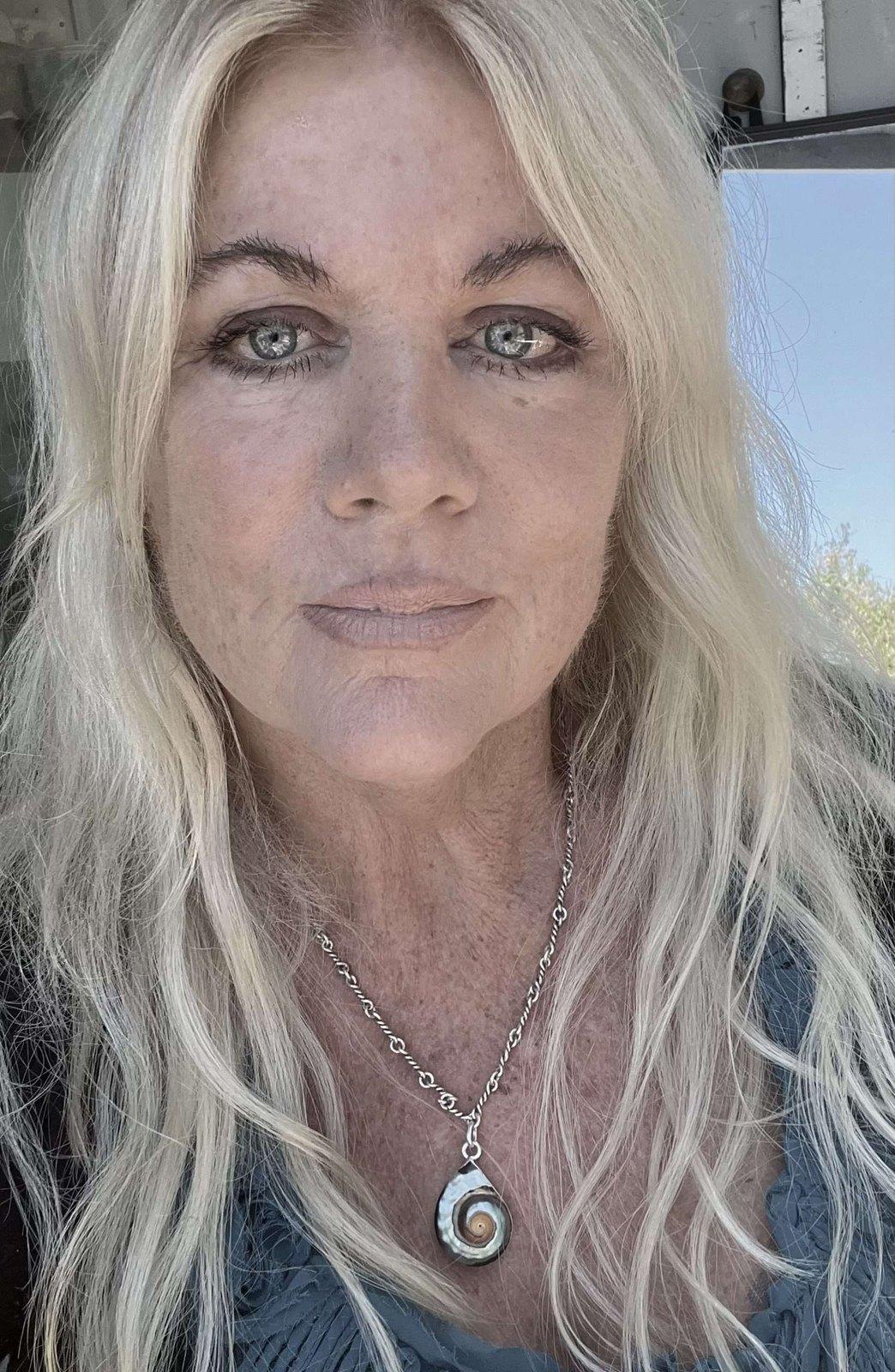
Janette Archer
SMP and permanent makeup artist
Janette studied at Elegance International Academy of Professional Makeup in west Los Angeles, receiving her certification in makeup artistry for television and photographic makeup in 1978.
Meet JanetteFind us first on Google