SofTap or microblading: what is the difference?
Written by Janette Archer
SofTap is a manual hand-tapping method for permanent makeup that places pigment with controlled taps rather than cutting hair strokes with a blade. Traditional microblading uses a handheld blade to create fine incisions. Both can create brow detail, but SofTap is designed for a softer, more controlled result and suits sensitive clients and varied skin types.
What exactly is the SofTap method?
SofTap is a manual method of permanent cosmetics. I use a small hand tool to tap pigment into the skin, controlling the depth, placement and amount of color as I work. There is no motor vibration, and I can adjust my pace in response to your skin and comfort.
The method is used for delicate permanent makeup work, including brows, eyeliner and lips. SofTap permanent makeup is designed to look soft and natural rather than harsh, heavy or overly saturated. The aim is to enhance your features, not overpower them.
I am certified in the SofTap manual method through SofTap Permanent Cosmetic Academy in Livermore, California. I also hold certifications in micropigmentation, advanced permanent makeup, microblading, ombre and nano brows. That range matters because the right technique depends on your skin, your existing features, your lifestyle and the result you want to live with.
SofTap is sometimes described as SofTap microblading because it is a manual technique. In a consultation, I explain the distinction clearly. The name of a technique is less important than understanding how the pigment is placed and how the healed result may look.
How does SofTap differ from traditional microblading?
Traditional microblading uses a handheld blade, not a machine. The blade creates tiny incisions in the upper layers of skin, and pigment is deposited into those cuts to form hair-like strokes. It can create a detailed brow, particularly for someone with normal or dry skin who wants a fine, individual-stroke effect.
SofTap uses a tapping motion rather than dragging a blade through the skin. This gives me precise control over depth and placement, with fewer passes and reduced skin trauma. The result is intended to heal softly and naturally. It can be especially suitable for clients with sensitive skin or those who feel nervous about the buzzing of a machine.
That does not mean every person should choose SofTap. Traditional bladed microblading may appeal to someone who specifically wants the visual character of crisp hair strokes and whose skin is suitable for that approach. Oily skin can make bladed strokes blur or fade sooner, so I assess skin type before recommending a method.
SofTap is also different from machine hairstrokes, often called nano brows. Nano brows use a digital device and needle cartridge, rather than a blade or manual tapping tool. Machine work can create hairstrokes, shading, ombre effects or combination brows, and it may be a better option for some skin types and design preferences.
Which method is better for your skin and desired result?
There is no responsible one-method answer for every client. Permanent makeup remains on the skin long after the appointment, so I look at your skin, your natural brow hair, previous cosmetic tattooing, medical history, daily routine and expectations before proceeding.
SofTap is often a thoughtful option when you prefer a controlled pace, a quiet treatment and a subtle healed appearance. It works across varied skin types, tones and textures, although the way pigment settles can differ from one person to another. It may not suit someone who wants bold saturation, very fast coverage or a motor-driven application.
If your skin is oily, traditional bladed microblading may be less predictable because the strokes can soften, spread or fade more quickly. That does not automatically rule out all brow work. A machine technique or a carefully planned SofTap design may be worth discussing, depending on your skin and the look you want.
I also consider whether you want individual hair detail, gentle shading or a combination. A natural brow is not created by copying the same pattern on every face. Shape, color, density and hair direction should be planned around your features.
To compare treatment choices more broadly, you can read about my semi permanent makeup services and scalp micropigmentation. Scalp micropigmentation is a separate cosmetic tattoo procedure for creating the appearance of density or a shaved head, not a substitute for brow microblading.
What should you expect during and after SofTap permanent makeup?
At the consultation, we discuss the shape, color, technique and realistic outcome. I mark the planned area so we can review the design before pigment is placed. Numbing medicine is used to improve comfort, and I work carefully rather than rushing the appointment.
Fresh permanent makeup commonly looks darker or stronger at first. During healing, the color softens and the treated area may flake or develop light scabbing. This is a normal part of the process. Do not pick or scratch the area, because disturbing healing skin can affect the result.
Permanent makeup healing takes place over several weeks. The visible result can change during that time, so I ask you to judge the work only after the skin has settled. Touch-ups are commonly needed from time to time, with timing depending on your skin, exposure to the sun, lifestyle and how your pigment has healed.
Follow the aftercare instructions I give you. Keep the area clean, avoid unnecessary touching and protect healed pigment from sun exposure. If you experience unusual discomfort, excessive swelling or redness, warmth, or another concern beyond what we discussed, contact your artist and seek appropriate medical advice where needed. This information is general aftercare guidance, not medical advice.
How should you choose a permanent makeup artist?
Start by reviewing healed work, not only freshly completed photographs. Healed examples show how the artist’s color, stroke design and saturation settle over time. Ask which method and pigments are used, and why that choice is appropriate for your skin.
Experience and training should be easy to discuss. My background includes makeup artistry, esthetics, teaching and micropigmentation, with continuing education in permanent makeup techniques. I have also been certified in the SofTap hand method, and in microblading, ombre and nano brows. I explain what I recommend instead of treating one method as suitable for everyone.
Ask about hygiene, licensing, consent, allergies and aftercare. Disclose allergies and relevant health information before treatment. A professional consultation should cover your expectations and any factors that could affect healing or pigment retention.
Micropigment Studio is located in Willow Glen, San Jose. You can find contact and location information for Micropigment Studio before arranging a consultation. If you are also researching scalp work, my guide explains what scalp micropigmentation involves and how it differs from ordinary tattooing.
If you are unsure whether SofTap, bladed microblading or a machine technique is right for you, I would be happy to discuss your skin and goals at a consultation.
Frequently asked questions
Is SofTap the same as microblading?
SofTap and traditional microblading are both manual permanent makeup techniques, but they place pigment differently. Traditional microblading uses a blade to create tiny incisions. SofTap uses a hand tool and tapping motion to implant pigment with controlled depth and placement. Some people call SofTap microblading, but the application method is not identical.
Does SofTap hurt?
Comfort varies by person and by the area being treated. I use numbing medicine, and the manual method does not create the buzzing sensation associated with a machine. You may still feel pressure, tapping or some sensitivity. During consultation, I explain what to expect and make adjustments where appropriate.
Can SofTap be used on oily skin?
SofTap can be considered across varied skin types, but oily skin may affect how any brow pigment settles and retains. Traditional bladed strokes can blur or fade faster on oily skin. I assess your skin, existing brow hair and preferred finish before recommending SofTap, nano brows or another approach.
How long does SofTap permanent makeup last?
The longevity of permanent makeup varies with skin type, sun exposure, lifestyle, color choice and aftercare. It gradually softens rather than washing away with normal cleansing. Touch-ups are commonly needed over time. I discuss expected maintenance during consultation instead of promising a fixed lifespan.
Can SofTap create shaded or fuller-looking brows?
Yes, the manual method can be used for delicate line work and soft color placement, depending on the design and the client’s natural brows. The final plan may involve hairstrokes, shading or a combination. I choose the pattern and saturation to suit your features rather than applying the same brow style to everyone.
Should I bring brow makeup to my consultation?
You can bring photographs or examples showing the type of brow you like, but I also need to see your natural features and discuss your everyday routine. Tell me how much time you want to spend applying makeup and whether you prefer a barely-there, defined or softly shaded appearance.
What if I already have old eyebrow tattooing?
Tell me about previous cosmetic tattooing before booking treatment, even if the color has faded significantly. Existing pigment can affect the shape, color and technique that are appropriate. I need to assess the area in person and explain whether a new procedure is suitable or whether another option should be considered first.
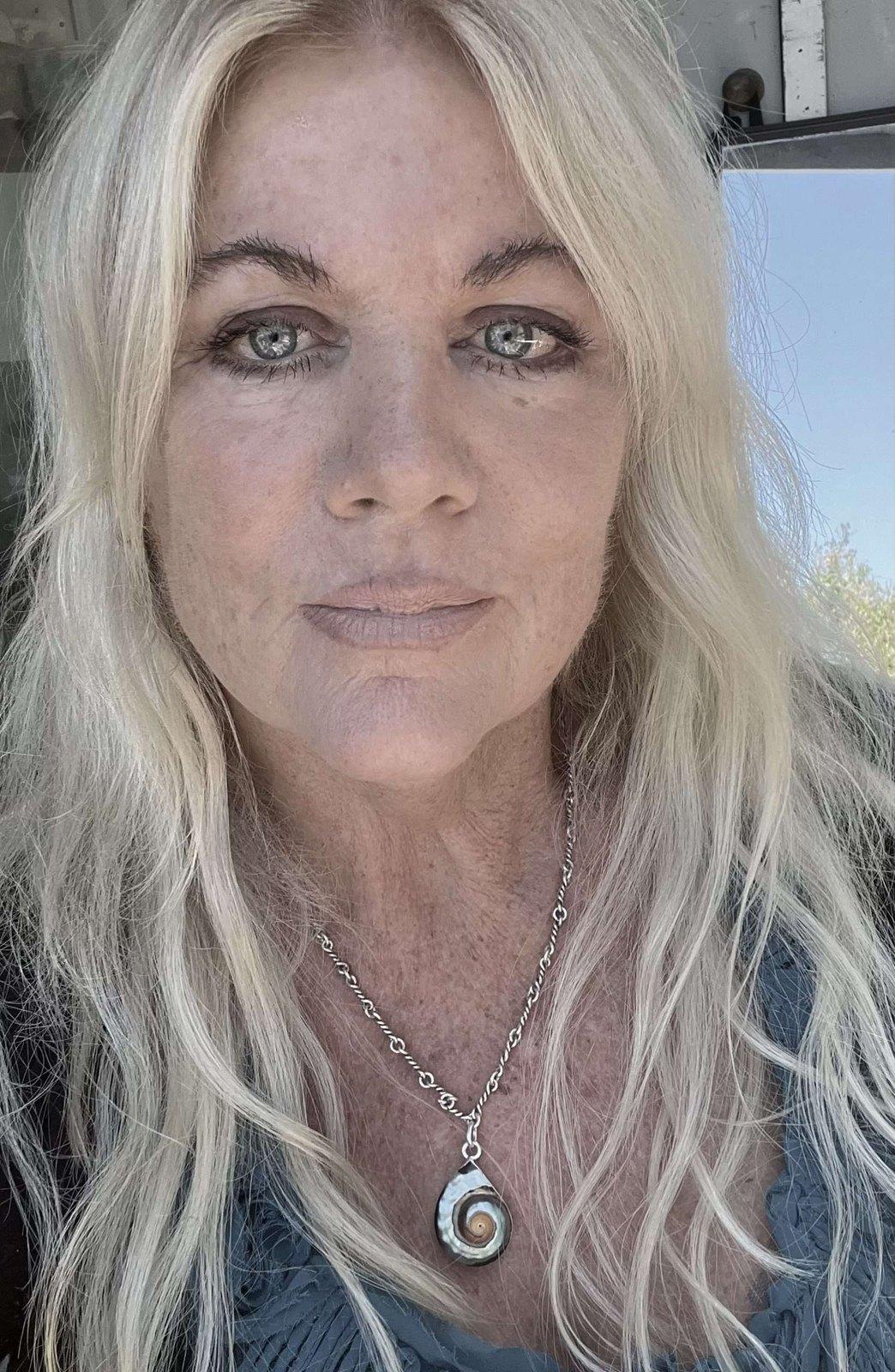
Janette Archer
SMP and permanent makeup artist
Janette studied at Elegance International Academy of Professional Makeup in west Los Angeles, receiving her certification in makeup artistry for television and photographic makeup in 1978.
Meet JanetteFind us first on Google