Is a shaved head look worth it with SMP?
Written by Janette Archer
What does SMP do for a shaved head?
When the head is shaved or closely clipped, natural stubble creates a pattern of small follicle shadows. Hair loss can remove that contrast, making the scalp more visible. Scalp micropigmentation recreates the visual impression of follicles by placing tiny dots of cosmetic-grade permanent pigment into the scalp.
The pigment is selected to work with your current hair color. For a shaved head, the aim is usually a soft, graduated appearance rather than a solidly colored scalp. Some scalp showing through is normal and helps the result look like very short hair rather than paint.
SMP does not grow hair, alter your hair-growth cycle or damage existing follicles. It is a cosmetic tattoo treatment, not a treatment for the cause of hair loss. It may also help camouflage some scalp scars, although scar tissue can accept pigment differently from ordinary scalp skin.
You can read my guide to scalp micropigmentation and the treatment process if you want a broader explanation before arranging a consultation.
When is a shaved-head result a good fit?
I usually consider this style suitable for someone who genuinely likes a close-shaved or carefully maintained look. It can be useful when a receding hairline, male pattern baldness, diffuse thinning, alopecia, chemotherapy-related loss or a scar makes the scalp more noticeable.
The decision is less straightforward if you do not want to shave or closely clip your hair. A shaved-head design needs to work with the amount of natural hair you plan to keep. If you want to retain longer hair, density SMP between existing hairs may be more appropriate than a simulated stubble pattern.
At consultation, I look at your facial structure, age, existing hair and hairline, skin, lifestyle and expectations. For someone who is fully bald, I will discuss a hairline that looks believable for their features and age. An overly low or sharply drawn hairline can make otherwise careful work look artificial.
If your hair loss is unexplained, particularly with a diffuse pattern, it is sensible to discuss the cause with a qualified healthcare professional first. Female pattern hair loss can resemble other conditions involving hormones, metabolism or general health, so those possibilities should be assessed before cosmetic camouflage.
How should I judge whether the result will look natural?
The hairline is one of the most important parts of a shaved-head SMP result. I recommend looking closely at a practitioner’s healed hairline work, not only fresh photographs taken immediately after treatment. You want to see soft transitions, varied follicle impressions and a design that suits the person’s face.
Ask what pigments and technique are used, how the practitioner handles different skin types, and how they approach scars or uneven areas. The pigment should be matched thoughtfully to your current follicle color. A professional consultation should also cover your medical history, skin, lifestyle, allergies and the look you want to maintain.
Choose a licensed and experienced cosmetic or body artist. In the United States, tattooing is regulated at state and local level, while tattoo inks are treated by the FDA as cosmetics rather than regulated medical devices. Ask about relevant licensing, bloodborne pathogens training and SMP education. I am certified in SMP through Scalp MicroNation and ScalpCo Academy, and I continue my training and education each year.
I also recommend disclosing every known allergy. A patch test on an inconspicuous area may be discussed before the full procedure. Clients prone to forming keloids should generally avoid SMP, and any medical or healing concern should be raised before proceeding.
What happens during and after treatment?
Before a session, wash your hair and scalp. We mark the areas to be treated, agree the hairline and discuss the pigment choice. Numbing medicine is used to make the procedure more comfortable. I work carefully in layers, placing small impressions rather than trying to cover the scalp in one heavy pass.
A full course commonly involves several sessions, with time between them for the scalp and pigment to settle. The exact plan varies according to the area, skin and desired look. Initial pigment can appear darker, then soften as healing progresses.
For aftercare, keep the scalp dry during the healing period. A shower cap can help while bathing. Avoid washing the treated area, heavy exercise, steam rooms and hot showers that cause sweating, and protect the scalp from sun exposure for the first several days. Follow the aftercare instructions given at your appointment, including advice about a light petrolatum-based moisturizer such as Aquaphor or Vaseline to help prevent scab formation.
Do not pick or scratch flaking skin. Once healed, long-term broad-spectrum sunscreen can help protect the pigment. Contact your practitioner if you notice unusual discomfort, excessive redness or swelling, warmth, or any sign of infection or healing that differs from what was discussed.
Is the result a long-term commitment?
SMP is intended to be a long-lasting cosmetic treatment, but it is not unchanged forever. Pigment gradually fades through natural skin exfoliation and can fade faster with factors such as frequent sun exposure, oily skin, some medications or a faster cellular metabolism. It does not wash out with shampoo.
Many people need a future touch-up as the color softens. Because the work is permanent cosmetic tattooing, you should be comfortable with the general design before beginning. Laser removal is possible, but removal can be more complicated when the original application was placed incorrectly. This is why reviewing healed work and having a thorough consultation matter.
For examples of how the treatment can appear, you can view what a man’s scalp can look like before and after SMP. I provide shaved head scalp micropigmentation at Micropigment Studio in San Jose, California. You can find contact and location information for Micropigment Studio before deciding whether an appointment is right for you.
If you would like to discuss your scalp, preferred haircut and expectations, you are welcome to book a consultation.
Frequently asked questions
Can I keep some hair with a shaved-head SMP design?
Yes, but the result needs to be planned around the length and density you intend to maintain. A very close clip can blend with follicle impressions, while longer hair may call for density work between existing hairs. I would discuss your usual haircut before choosing the pattern and hairline.
Will SMP make my scalp look completely covered?
That is not the intended appearance. A natural result leaves some visible scalp and uses varied, carefully placed impressions to suggest short follicles. Making the scalp look uniformly painted can appear artificial, particularly under bright light. I discuss the expected level of contrast during consultation.
Does shaved-head SMP hurt?
Discomfort is usually minimal and short-lived, although sensitivity varies between people and scalp areas. Numbing medicine is used during treatment. I also explain what to expect before beginning, so we can work at a comfortable pace and address any concerns during the appointment.
Can SMP cover a scar on a shaved scalp?
It may camouflage some scars, including certain trauma or hair-transplant scars, but scar tissue can take pigment differently from normal scalp. The scar's texture, color and maturity need to be assessed in person. I would not promise that every scar can be matched or concealed completely.
What if I change my preferred hairline later?
A hairline should be chosen conservatively because it remains visible as your hairstyle changes. Your age, facial structure and likely future hair loss are relevant. Whether changes are possible depends on the work already done and is assessed at consultation. Changing or removing pigment is more involved than changing a haircut.
Can SMP be used for women who shave their heads?
Yes, the treatment is not limited by gender. The design should reflect the person's hair pattern, facial structure, skin and preferred appearance. Some women need density work through existing hair, while someone with extensive loss may consider a closer-shaved follicle effect. The plan is individual.
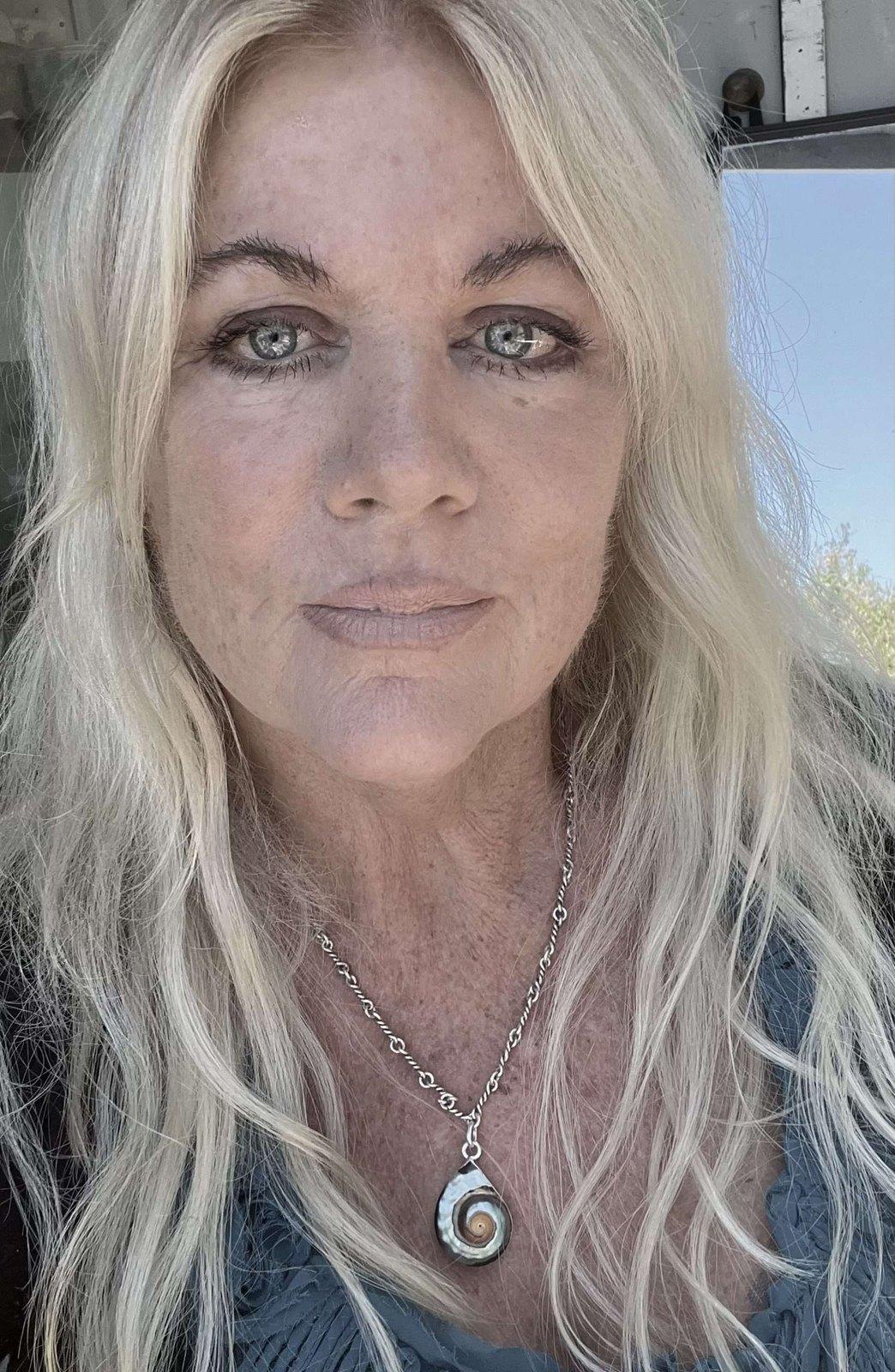
Janette Archer
SMP and permanent makeup artist
Janette studied at Elegance International Academy of Professional Makeup in west Los Angeles, receiving her certification in makeup artistry for television and photographic makeup in 1978.
Meet JanetteFind us first on Google