How to match SMP pigment to your natural hair
Written by Janette Archer

What should SMP pigment match?
SMP pigment should match the visual color of your current hair follicles, not simply the darkest hair you have ever had. I assess your hair color, the contrast between your hair and scalp, and whether your hair contains brown, blonde, red, silver or gray tones.
This matters because a pigment can look suitable in a bottle but read differently once it is placed in the scalp. Skin tone and undertones affect the way color is seen, especially on a lighter scalp where an overly cool or strong shade may be more noticeable.
The aim is not to paint the scalp or create a solid block of color. SMP creates tiny follicle-like impressions that reduce the contrast between hair and scalp. Some scalp showing through the hair is normal, and a natural result depends on color, dot size, spacing, depth and density working together.
I explain the treatment itself in my guide to what scalp micropigmentation involves, including why it is a camouflage treatment rather than a way to regrow hair.
How do you match SMP ink to dark, light or warm hair?
For black and dark brown hair, I usually work towards a tone that reflects the appearance of the follicle rather than choosing a harsh, pure-black result. The shade still needs to relate to your scalp tone. A color that is too dark or too cool can look disconnected from closely cropped hair.
Brown hair may need a softer brown or a carefully balanced neutral tone. Blonde hair requires particular care because the contrast between the scalp and the follicle is often lower. The pigment must be subtle enough to blend with the existing hair rather than create obvious dots.
Red, ginger and auburn hair can involve warm brown, copper or red undertones. I assess the color in natural light and discuss whether the result should reflect your present hair or a future shaved style. A warm-tone match is not simply a matter of choosing a lighter color. It may require a measured blend and a cautious test before the full treatment.
If your hair is salt and pepper, the plan is usually softer and more graduated. Matching only the darker strands may make the treatment stand out beside white or silver hair. I consider the whole pattern and can discuss the options in this guide to blending SMP with salt-and-pepper hair.
Can the color change after treatment?
Fresh SMP can look darker or stronger than the healed result. The scalp may also be red for a short period. As healing progresses, the color softens and settles, so I do not judge the final match immediately after a session.
Color can also appear different as your natural hair changes. Hair may become lighter, darker, or more gray over time, while the pigment gradually fades through normal skin processes, sun exposure and immune-system activity. SMP is semi-permanent and does not wash out with shampoo.
Future touch-ups provide an opportunity to reassess the current hair color and make sensible adjustments.
How is the pigment built across SMP sessions?
Before treatment, wash your hair and scalp so I can assess the area clearly. We discuss the hairline, the areas of scalp show-through, your preferred hairstyle and the color plan. I mark the treatment areas, agree the design with you and use numbing medicine.
A full course commonly involves several sessions, with the exact plan depending on the treatment area, hair loss pattern and how your skin responds. I usually begin with a lighter application, then assess the healed appearance before adding density or adjusting the tone.
This staged approach is important for color control. It also helps prevent over-saturation, which can make individual follicle impressions merge visually. Pigment must be placed in the upper dermis at a controlled depth. Too shallow and it may fade quickly. Too deep and it can spread and look blurred.
Dot size and spacing are as important as color. Fine dots can help soften a mismatch between the pigment and natural dark hair because the eye reads the pattern at a distance rather than each mark as a solid patch.
What should I check before choosing a practitioner?
Ask to see healed work on hair colors and skin tones similar to yours. Fresh photographs can look darker and more uniform than settled results, so healed examples tell you more about color stability, dot separation and the hairline.
I also recommend asking what pigment will be used, how the color is selected, and how the practitioner would handle future changes in your hair color. You should understand whether the plan is for a shaved look or for pigment between existing hair.
Experience matters because an unsuitable color can be difficult to correct, and removal may be needed if pigment has been placed poorly. A careful consultation should cover your medical history, scalp condition, allergies, expectations and likely future hair changes.
At Micropigment Studio in San Jose, I provide SMP for shaved styles and male density. My SMP training includes certification with Scalp MicroNation and further training with ScalpCo Academy, followed by ongoing education. You can use my questions to ask before booking SMP when comparing your options.
After treatment, follow the specific instructions I give you. General precautions include keeping the scalp dry, avoiding sweating, hot showers, steam rooms and sun exposure for the advised period, and not picking at healing skin. Contact your healthcare provider if you develop fever, pus or drainage, severe pain, marked redness or swelling.
If you would like to discuss your hair color and the look you want, you can contact Micropigment Studio in San Jose to arrange a consultation.
Frequently asked questions
Can SMP match white or silver hair?
Yes, but the color plan should reflect the overall salt-and-pepper pattern rather than only the darkest strands. I usually consider a softer density and graduated transition so the impressions do not look separate from white or silver hair. Your preferred haircut and how closely you shave are also relevant.
Will SMP look blue after it heals?
An overly cool color, incorrect depth, excessive saturation or unsuitable pigment can contribute to a blue or green-looking result. Careful color selection and controlled placement reduce that risk. I assess undertones before treatment and build the result gradually rather than relying on a strong black shade.
Can I change my natural hair color after SMP?
You can change your natural hair color after the scalp has healed, but a significant change may alter how well the pigment blends. Discuss the change at a future touch-up so the color can be reassessed. Matching the pigment to your current hair, rather than an old color, is usually the safer starting point.
Does SMP pigment match my hair strand or my hair follicle?
The goal is to match the visual appearance of the follicle or short stubble, not the exact color of a longer hair strand. Longer hair can reflect light differently and may contain several tones. I assess your usual haircut and the color visible close to the scalp when planning the treatment.
Can pigment be made lighter if the first session is too dark?
SMP is normally built in stages so the first application can be assessed after healing before more density is added. That is one reason I avoid making the initial session overly strong. If a result is persistently unsuitable, correction or removal may be considered, but prevention through consultation and gradual work is preferable.
Should I bring photographs of my hair to the consultation?
Photographs can help show how your hair has changed, particularly if you are considering a shaved style or expect your hair to turn greyer. I still need to assess your hair and scalp in person and in suitable light. Bring examples of the hairstyle and hairline you prefer, but keep expectations realistic.
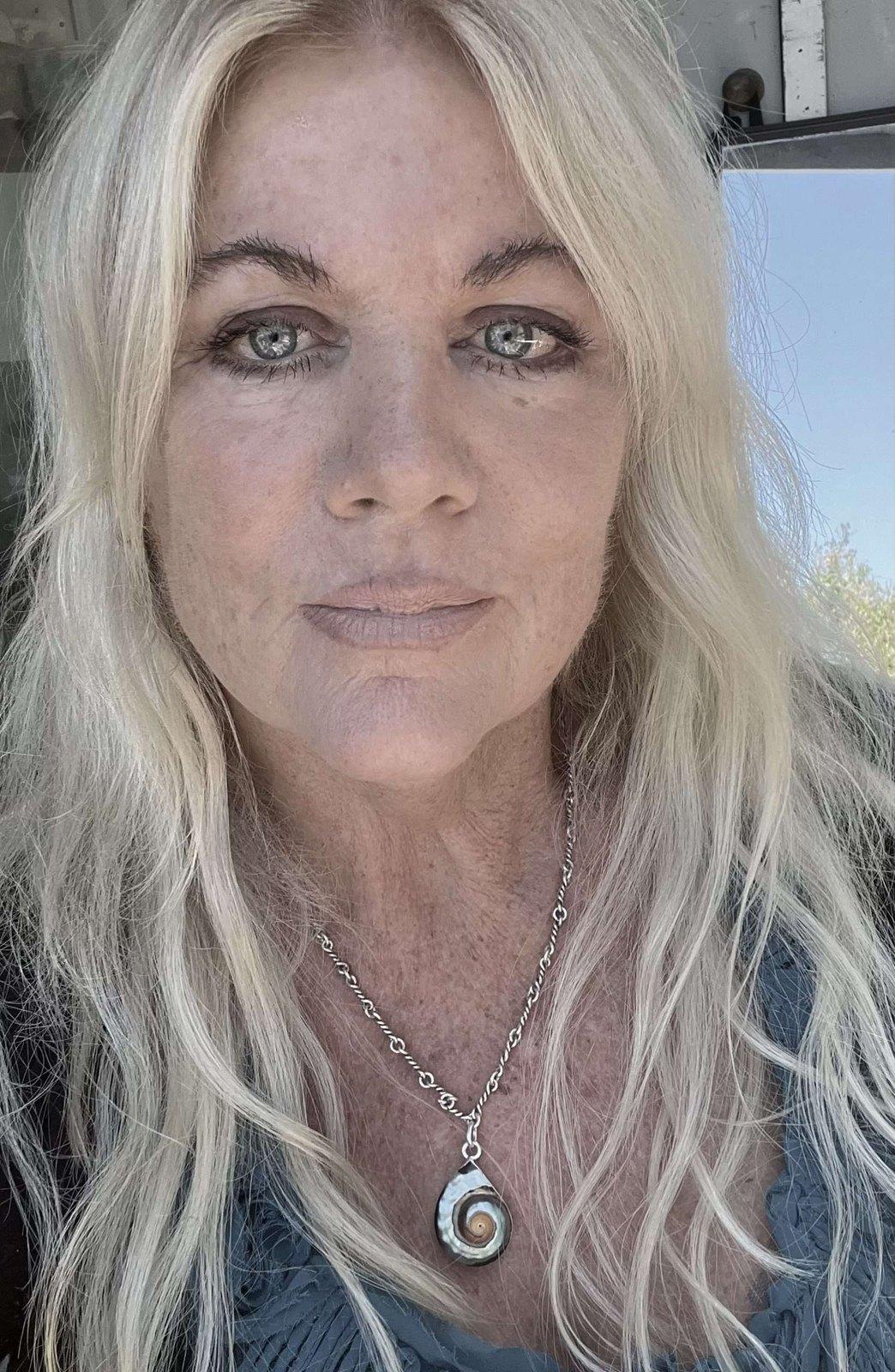
Janette Archer
SMP and permanent makeup artist
Janette studied at Elegance International Academy of Professional Makeup in west Los Angeles, receiving her certification in makeup artistry for television and photographic makeup in 1978.
Meet JanetteFind us first on Google