How is SMP different from a regular scalp tattoo?
Written by Janette Archer
What is scalp micropigmentation?
Scalp micropigmentation, or SMP, is a non-surgical cosmetic tattoo treatment for people who want to reduce the visible contrast between their hair and scalp. I place tiny dots of pigment on the scalp to imitate the appearance of closely shaved follicles or to make thinning hair look visually denser.
It is important to be clear about what SMP can and cannot do. It does not grow hair, alter natural hair growth or repair a hair follicle. It creates an optical effect. I can use it on a shaved scalp, between existing hairs, around a receding hairline, or over suitable scars and areas of hair loss.
The pigment color is selected to relate to your current hair follicle color. The goal is not to paint the scalp a solid shade. Some scalp showing through the hair is normal, and realistic density comes from carefully layered dots rather than an opaque finish. You can read more about the process in my scalp micropigmentation treatment overview.
How is SMP different from a regular scalp tattoo?
The main difference is the purpose and the way the pigment is implanted. A traditional tattoo is usually created as body art. It may use bold lines, shading and saturated color, with ink placed deeper in the skin so the artwork remains visible. That approach is not designed to imitate thousands of individual hair follicles.
SMP is a specialised form of cosmetic tattooing. I use a stippling approach, placing controlled, follicle-like impressions rather than drawing hair strands or creating a single filled-in area. The pigment is placed in the epidermal and upper dermal layers, rather than as deeply as conventional tattoo work. This helps limit noticeable spreading and supports a softer result.
Depth matters. If pigment is placed too shallowly, it may fade quickly. If it is placed too deeply, dots can spread and become blurred or blotchy. Scalp skin, existing hair, skin tone, scarring and the pattern of hair loss all affect how the work needs to be planned.
Another difference is design. With SMP, I consider your facial structure, age, existing hairline and the way your hair is worn. For someone who is fully bald, the hairline needs to look believable rather than artificially low or perfectly uniform. For someone with thinning hair, I work with the remaining hair and reduce scalp show-through without trying to create an unrealistic density.

Is SMP a tattoo, and is it permanent?
Yes, SMP is a cosmetic tattoo procedure, so it is not temporary makeup that washes away with shampoo. However, it is intended to soften and fade over time rather than remain unchanged forever. The pigment sits more superficially than standard tattoo ink, and natural skin renewal, sunlight, skin type and lifestyle can affect how it ages.
Many results remain visible for several years before a refresh is considered, although the timing varies. Dry or mature skin may hold pigment differently from oily skin, and frequent sun exposure can speed fading. Long-term broad-spectrum sunscreen on the scalp can help protect the result.
This gradual change can be useful. Hairlines and preferences can change as you age, so a result that can be softened or adjusted may suit some people better than artwork locked into one shape. SMP can also be removed with laser treatment if that becomes necessary. Removal may be more complicated when the original pigment was placed incorrectly, which is why the initial practitioner choice matters.
Which option looks more natural for hair loss?
For hair loss, SMP is generally the more appropriate technique because it has been designed around the visual pattern of hair follicles. A regular tattoo can look like body art on the scalp, particularly if the ink spreads, the color is too dark, or the design has hard outlines. Lines intended to represent individual hairs can also heal into blurred marks rather than natural follicle impressions.
SMP may suit male pattern baldness, a receding hairline, diffuse female thinning, some forms of alopecia, chemotherapy-related loss and suitable scalp scars. Female pattern hair loss often needs a different plan from a shaved male pattern because the frontal hairline may be maintained while thinning is more diffuse. Before treating suspected female pattern loss, underlying medical, metabolic or hormonal causes may need to be assessed by an appropriate clinician first.
Expectations should be discussed honestly. SMP can make the scalp appear fuller, but it does not restore the density of growing hair. A good consultation considers whether you plan to shave, keep existing hair, use hair loss medication, spend significant time outdoors, or change your hairstyle later.
What should I check before choosing an SMP practitioner?
I recommend looking first at healed hairline work, not only fresh photographs. A fresh treatment can appear darker and sharper than the healed result. Ask how the practitioner chooses pigment, controls depth, plans the hairline and approaches your particular type of hair loss or scarring.
Choose a licensed and experienced cosmetic or body artist who follows sanitary procedures, carries current bloodborne pathogens training and can explain their qualifications. You should disclose allergies and relevant medical history. A small patch test may also be discussed before treatment, particularly if you have concerns about pigment reactions. SMP has tattoo-related risks, including infection, allergic reaction, an unnatural result or complications if removal is later required.
I trained in SMP with Scalp MicroNation in 2021 and completed further SMP training with ScalpCo Academy in 2022. I continue advanced education each year. At Micropigment Studio in San Jose, I offer SMP for male density, female thinning and shaved looks, with numbing used during treatment.
What happens before and after an SMP appointment?
Before treatment, wash your hair and scalp. During the consultation, I assess your scalp, discuss your goals, mark the proposed treatment area, agree on the hairline where relevant and match the pigment to your hair color. Numbing medicine is used to help make the procedure more comfortable.
After treatment, keep the scalp dry according to the aftercare instructions. A shower cap can help while bathing. Avoid heavy exercise, steam rooms and hot showers that cause sweating, and protect the scalp from sun exposure for the first several days. Do not pick at flaking or scabbing. Once healed, use sun protection and follow the specific care guidance provided at your appointment.
Contact your practitioner if you notice increasing warmth, swelling, redness, unusual discomfort or another concern that goes beyond what was explained during consultation. For an overview of my approach and service options, you can also read this scalp micropigmentation guide.
If you would like to discuss whether SMP is suitable for your scalp and goals, you can contact Micropigment Studio in San Jose to arrange a consultation.
Frequently asked questions
Can a regular tattoo be used to copy hair follicles?
A regular tattoo is not usually the right tool for copying hair follicles. Its ink, depth and artistic methods are intended for body artwork, so lines or dense shading may spread or look artificial on the scalp. SMP uses controlled follicle-like dots and a scalp-specific design approach instead.
Does SMP look like a shaved head or painted scalp?
Well-planned SMP is intended to resemble the visual impression of closely cropped follicles, not a painted scalp. The practitioner should vary dot placement and density to suit your existing hair, skin tone and hairline. Some scalp visibility remains normal, because completely solid coverage would not look like hair.
Can SMP be used if I still have hair?
Yes. SMP can be placed between existing hairs to reduce the contrast created by thinning and scalp show-through. The planning is different from treating a fully shaved scalp because the dots must work with your current hair color, direction and density. Your future hairstyle should also be discussed.
Will SMP damage my existing hair follicles?
SMP is intended to create a visual effect and does not change natural hair growth or damage existing follicles. It does not treat the cause of hair loss. If your thinning is new, sudden or unusual, discuss the underlying cause with an appropriate healthcare professional before cosmetic treatment.
How should I compare fresh and healed SMP photographs?
Fresh photographs can show pigment looking darker, sharper or more intense than it will after healing. Ask to see healed examples, ideally involving a similar hair loss pattern, skin type and hairline goal. Also ask whether photographs are taken under comparable lighting and how long after treatment they were captured.
Can SMP cover a hair transplant scar?
SMP may camouflage suitable donor or surgical scars by reducing the color contrast between the scar and surrounding hair or scalp. Scar tissue can hold pigment differently from normal skin, so the plan and likely maintenance need careful discussion. A consultation is needed to assess the scar before treatment.
What if I want to change my hairline later?
Your future preferences should be part of the initial design discussion. A conservative, age appropriate hairline is generally easier to live with as your hair and style change. SMP fades gradually, and laser removal is possible, but changing or removing pigment can require additional work and should not be treated as effortless.
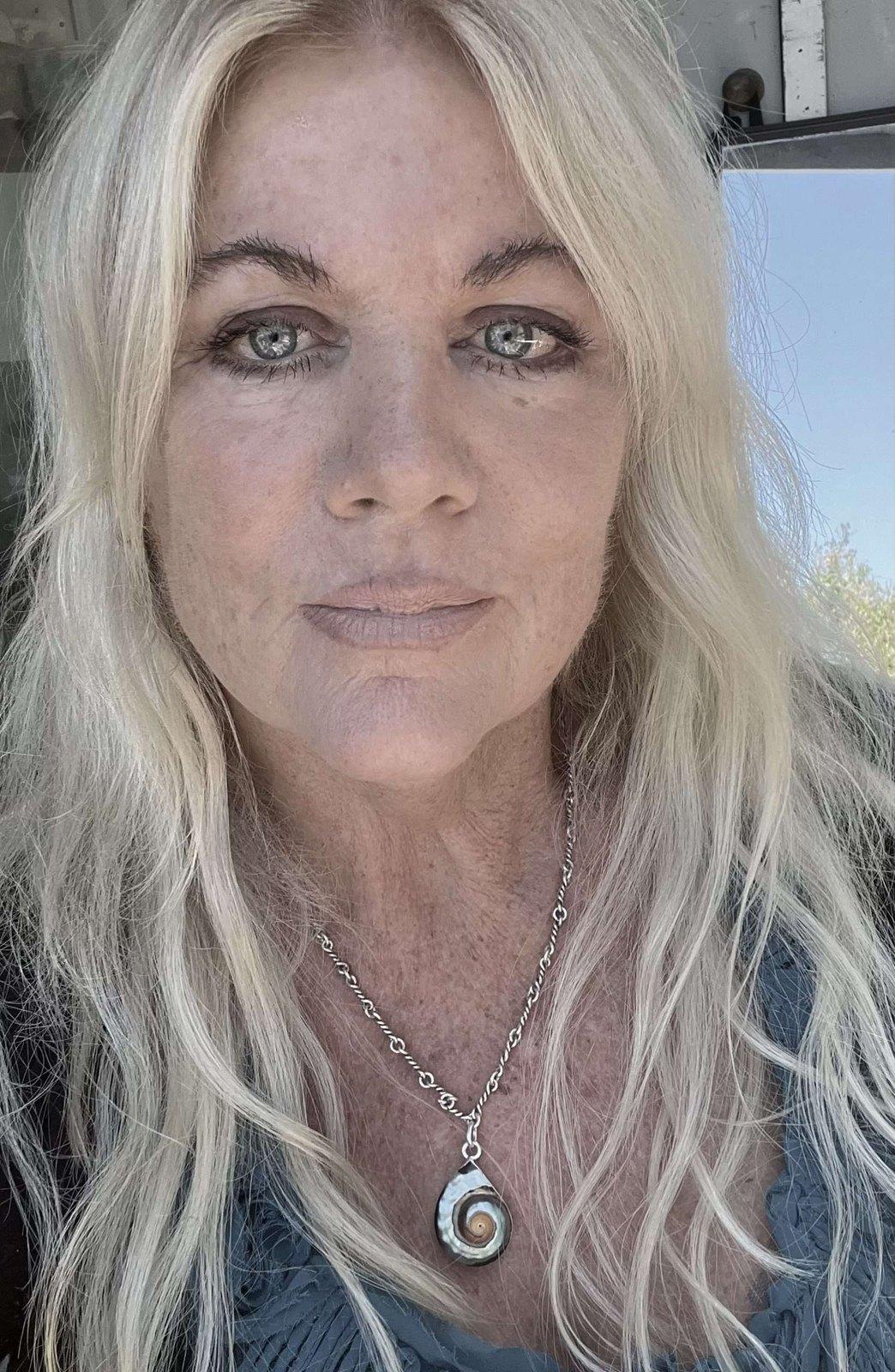
Janette Archer
SMP and permanent makeup artist
Janette studied at Elegance International Academy of Professional Makeup in west Los Angeles, receiving her certification in makeup artistry for television and photographic makeup in 1978.
Meet JanetteFind us first on Google