Does scalp micropigmentation hurt for women?
Written by Janette Archer
What does the treatment feel like?
Scalp micropigmentation uses very fine needles to place small pigment dots in the upper layers of the scalp. For women, the sensation is commonly a light scratching, tapping or brief stinging. It is not completely sensation-free, but it is generally considered less painful than, or comparable to, a regular tattoo.
The temples and frontal hairline can feel more sensitive, while other areas may feel easier to tolerate. Skin sensitivity, anxiety and the size of the area can also affect your experience.
I apply anaesthetic as part of the procedure to help make the session more comfortable. I will also work at a controlled pace, checking the skin as I create the density pattern.
If you are nervous about the sensation, tell me during your consultation. We can discuss your concerns, the areas being treated and whether the procedure is appropriate for you.
Why do women choose this treatment?
Women’s scalp micropigmentation is usually a density treatment for unshaved hair. I place pigment between existing hairs to reduce the contrast between the scalp and hair. This can make thinning areas look visually fuller without changing the hair itself.
It may be considered by women with female pattern thinning, alopecia, chemotherapy-related hair loss, thinning after illness or hormonal changes, or scalp scarring. It does not grow hair, alter natural hair growth or damage existing follicles. It is a cosmetic camouflage treatment, so any ongoing or unexplained hair loss should be assessed medically.
Female pattern hair loss can have several possible causes. Before treating suspected female pattern hair loss, blood tests may be needed to exclude other diseases, metabolic conditions and hormone imbalances that can create a similar pattern. SMP should not replace diagnosis or treatment of the underlying cause.
Women may keep their hair long, depending on the remaining density, parting and styling pattern. I assess how your hair falls and where the scalp shows through before deciding whether female density work is suitable. You can read more in my guide to keeping long hair during scalp micropigmentation.
What happens before and during a session?
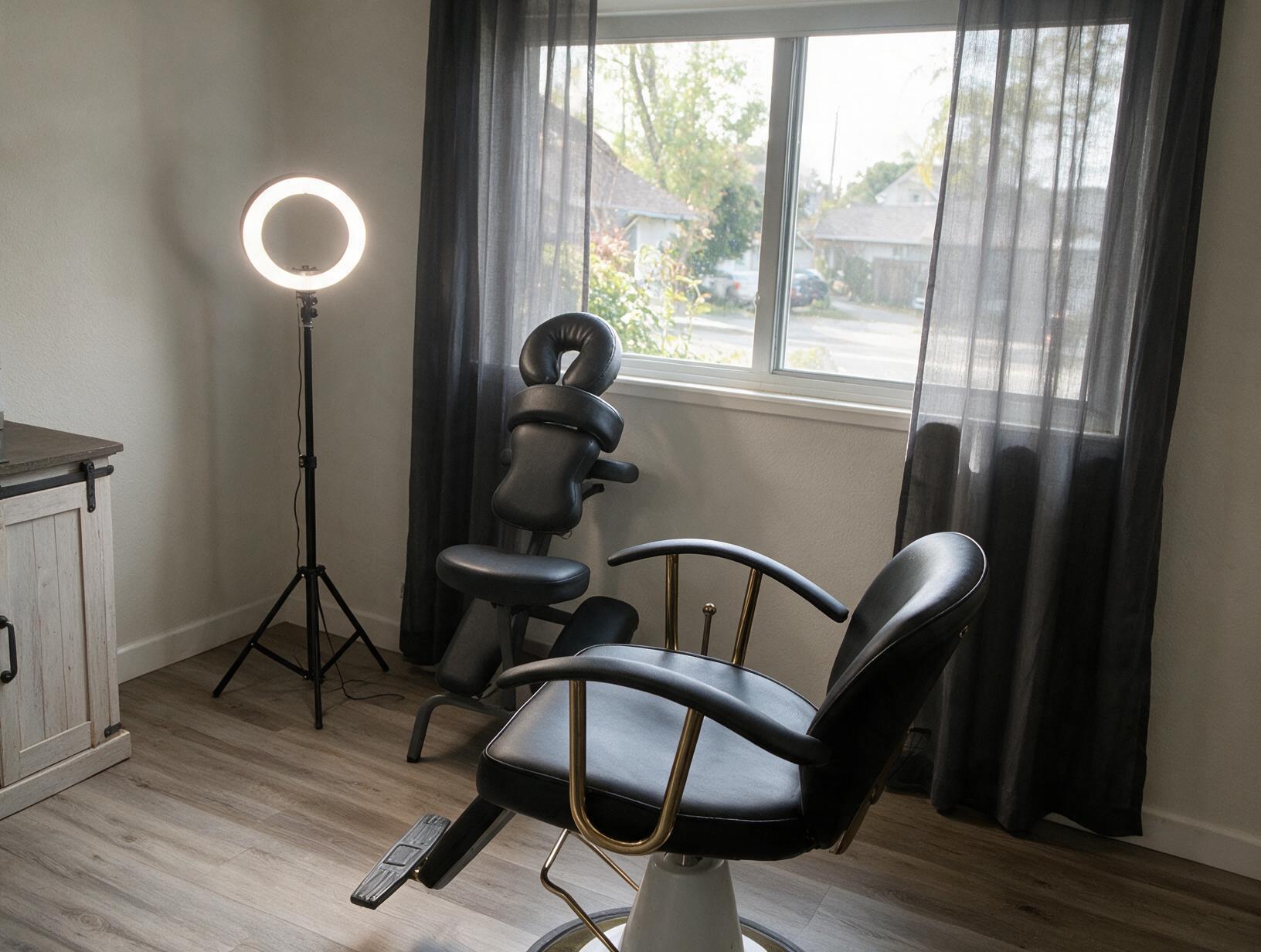
Before treatment, wash your hair and scalp and arrive with clean skin. During the consultation, I assess your scalp, hair color, existing density, skin condition and goals. We agree which areas should be treated and how subtle or noticeable the density should appear before pigment is applied.
I match the pigment to your current hair color and work with the natural pattern of your hair. For a woman retaining her hair, the aim is not to paint the scalp solidly. Some scalp show-through remains a normal part of a believable result.
Most clients need two to three sessions, although the treatment plan depends on the size of the area, the degree of thinning and how your skin heals. A session may take one to five hours. I usually begin with a lighter shade and wider dot spacing, then build density and detail during later sessions once the first work has healed.
The scalp needs time between sessions so the skin can settle and I can judge the healed color. Pigment can look stronger immediately after an appointment, then soften as the skin heals. The final appearance is assessed after the treatment has settled, rather than judged on the same day.
My scalp micropigmentation training includes certification with Scalp MicroNation in 2021 and further SMP training with ScalpCo Academy in 2022. I continue advanced education yearly. You can see an overview of how scalp micropigmentation works before deciding whether it matches your needs.
Who should postpone or avoid treatment?
I need to know about allergies, medications, medical conditions, previous reactions to pigments and any tendency to form keloids. Active scalp acne, eczema or a psoriasis flare-up should be resolved before treatment. Anyone with a history of keloid or spontaneous keloid scarring should consult a dermatologist before considering SMP, because tattooing trauma can trigger abnormal scarring.
A consultation is also important if your hair loss is changing quickly, has not been diagnosed, or followed a recent illness, pregnancy or medication change. SMP can reduce visible contrast, but it cannot stop shedding or correct a medical cause.
Choose a licensed, experienced SMP professional who can show relevant healed work, follows bloodborne-pathogen and hygiene protocols, and explains the pigments and technique clearly. Hairline work matters even for women with density treatment, because poorly planned edges can make the result look artificial.
What is recovery like after women’s scalp micropigmentation?
Follow the aftercare instructions I give you. In general, keep the treated scalp dry, avoid shampoo, sweating, heavy exercise, hot showers and steam rooms during the initial period, and avoid direct sun exposure for several days. Do not shave or interfere with healing until advised.
After the first four days, gentle washing can usually resume as I advise. Normal grooming and scalp SPF can resume later in healing, while swimming pools, saunas and steam rooms should be avoided for 28 days after the final treatment. Full healing takes approximately 30 days.
Lightening during healing is normal. Do not pick scabs or scratch the area. Contact your healthcare provider or artist if you notice fever, pus or drainage, severe pain, severe redness, unusual warmth or swelling, or a healing concern beyond what we discussed.
SMP is semi-permanent rather than permanent in appearance. Pigment gradually fades through skin renewal, immune-cell activity and UV exposure. Women may need a maintenance appointment after several years, but the timing varies with skin, lifestyle, sun exposure and the pattern treated.
I provide consultations at Micropigment Studio in San Jose, California. You can contact Micropigment Studio for location information when you are ready.
Book a consultation whenever you would like a personalized assessment, with no pressure.
Frequently asked questions
Can scalp micropigmentation cause hair loss in women?
No. Properly performed scalp micropigmentation is designed to create a visual impression of density and does not change natural hair growth or damage existing follicles. It also does not treat the cause of shedding. If your loss is active, sudden or unexplained, discuss diagnosis with a qualified healthcare professional before cosmetic camouflage.
Can women have density treatment without shaving their heads?
Often, yes. Female density SMP can be placed between existing hairs, so shaving is not always necessary. Suitability depends on your hair length, texture, parting, remaining density and the amount of scalp showing through. I assess how your hair naturally falls before recommending a treatment plan.
Will the pigment look obvious in women’s hair?
The intended result is a reduction in visible scalp contrast, not a solid painted appearance. Some scalp showing through the hair is normal. Pigment color, dot size, spacing and placement must be matched to your hair and skin, then built gradually so the healed result remains appropriately subtle.
How long does women’s scalp micropigmentation last?
Results commonly last several years before a refresh is needed, but there is no identical schedule for every woman. Sun exposure, skin type, immune activity, skin ageing, lifestyle and aftercare all influence fading. The pigment softens gradually rather than washing away with shampoo.
Can I color my hair after scalp micropigmentation?
Please discuss hair coloring at your consultation, particularly if the product will touch the treated scalp. During healing, avoid applying hair dye directly to the area. Once the scalp has fully healed, many clients return to their usual hair routine, following the practitioner’s guidance.
Does SMP treat female pattern hair loss?
No. It is a cosmetic camouflage treatment that reduces the contrast between hair and scalp. It does not stimulate regrowth, correct hormone imbalance or stop shedding. Because several medical and metabolic conditions can resemble female pattern hair loss, an appropriate medical assessment should come first when the cause is uncertain.
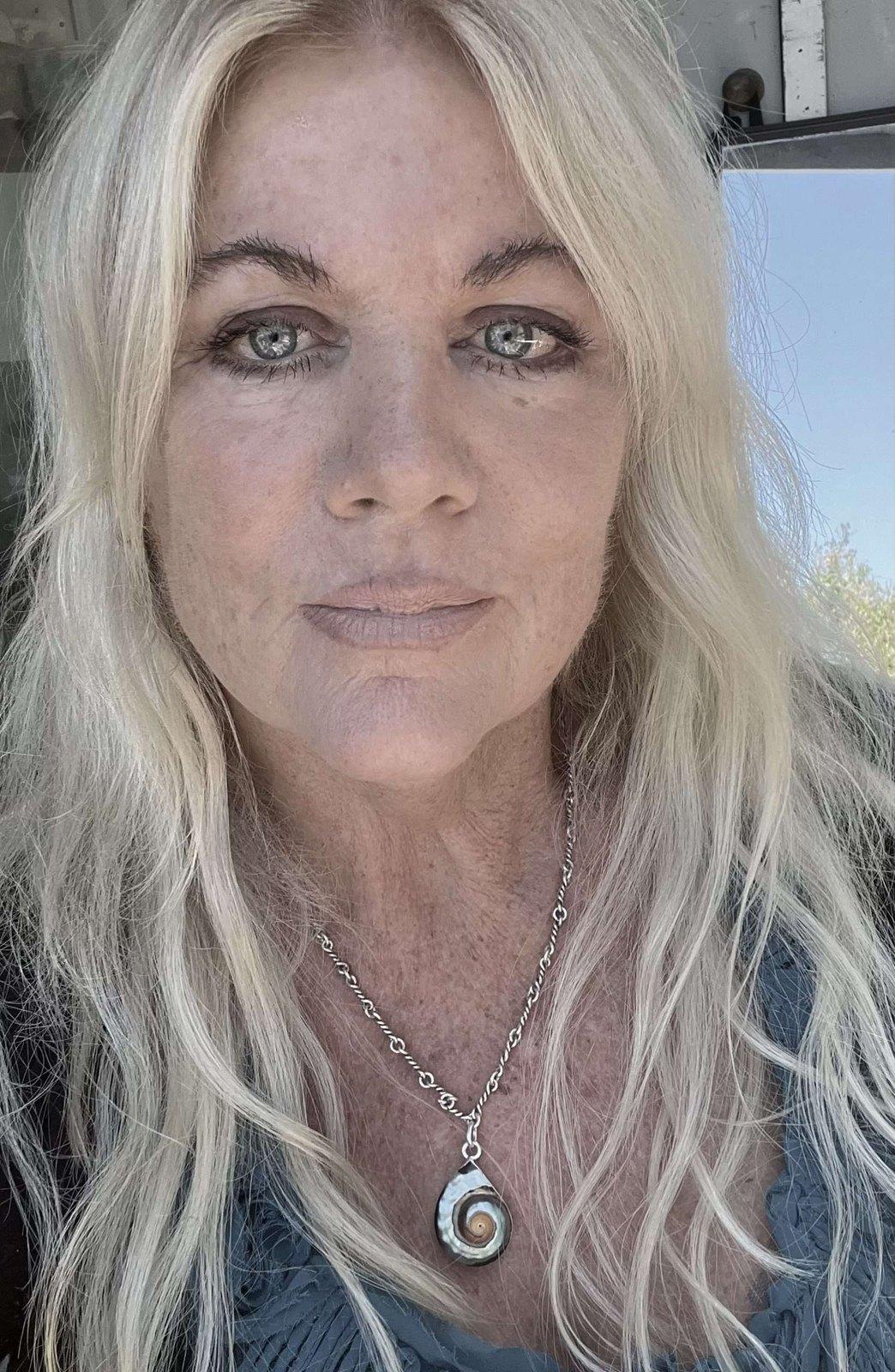
Janette Archer
SMP and permanent makeup artist
Janette studied at Elegance International Academy of Professional Makeup in west Los Angeles, receiving her certification in makeup artistry for television and photographic makeup in 1978.
Meet JanetteFind us first on Google