Can you keep your long hair for SMP?
Written by Janette Archer
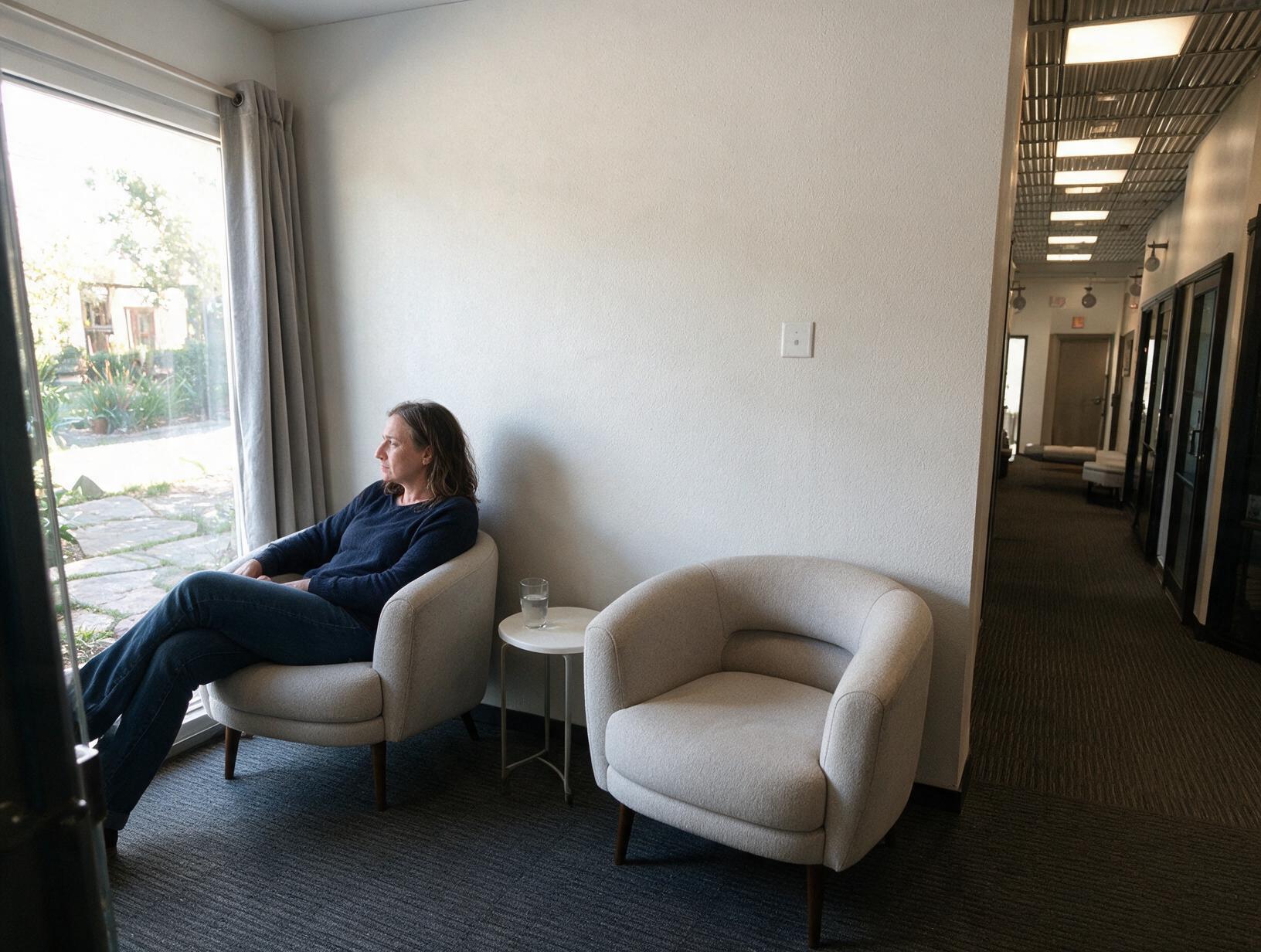
Yes. Women with long hair can often have scalp micropigmentation without shaving their heads. I place carefully matched pigment between existing hairs to reduce visible scalp and create the appearance of density. Whether this approach suits you depends on your hair-loss pattern, hairstyle, scalp condition and the result you want.
How does treatment work with long hair?
Scalp micropigmentation is a non-surgical cosmetic tattoo procedure. I use fine needles to place tiny dots of permanent cosmetic pigment in the scalp, creating the visual impression of follicles and reducing the contrast between your hair and scalp.
For women with longer hair, I can often work between existing hairs rather than treating a shaved scalp. This is sometimes called density work. It may be considered for a widening part, visible crown, diffuse thinning, temples, a front hairline or areas affected by a scar.
The result is not painted-on coverage and it does not make the hair grow. It does not change natural hair growth or damage existing follicles. Instead, the pigment helps the scalp show through less strongly, so your hair can appear fuller from normal viewing distances.
I plan the placement around the way you wear your hair. That may include a center part, side part, ponytail or other style that exposes particular areas. If your hair is very fine or the loss is extensive, shaving some or all of the area may create a more even result, but it is not automatically necessary.
What should women expect from female scalp micropigmentation?
Women’s hair loss often presents as diffuse thinning, with the frontal hairline maintained more often than in typical male pattern baldness. Because of that, I do not use a single template for every client. I assess the pattern, the density of surrounding hair and the areas where light makes the scalp most noticeable.
My aim is subtle density, not a solidly dark scalp. Some scalp showing through the hair is a normal and realistic outcome. Pigment that is too dark, too large, too close together or placed too deeply can look unnatural or heal unevenly.
I match the pigment to your current hair and follicle color. This includes assessing lighter hair, darker hair, gray hair, skin tone and the contrast between the hair and scalp. The work should support your natural coloring rather than make the scalp appear darker than the hair.
Hairline work deserves particular attention. If the front hairline is part of your plan, ask to see clear examples of the practitioner’s work, ideally healed examples rather than only fresh photographs. A natural hairline should suit your facial structure, age and existing hair pattern, rather than look like a sharply drawn line.
You can read more on my scalp micropigmentation treatment overview.
Do you need medical advice before booking?
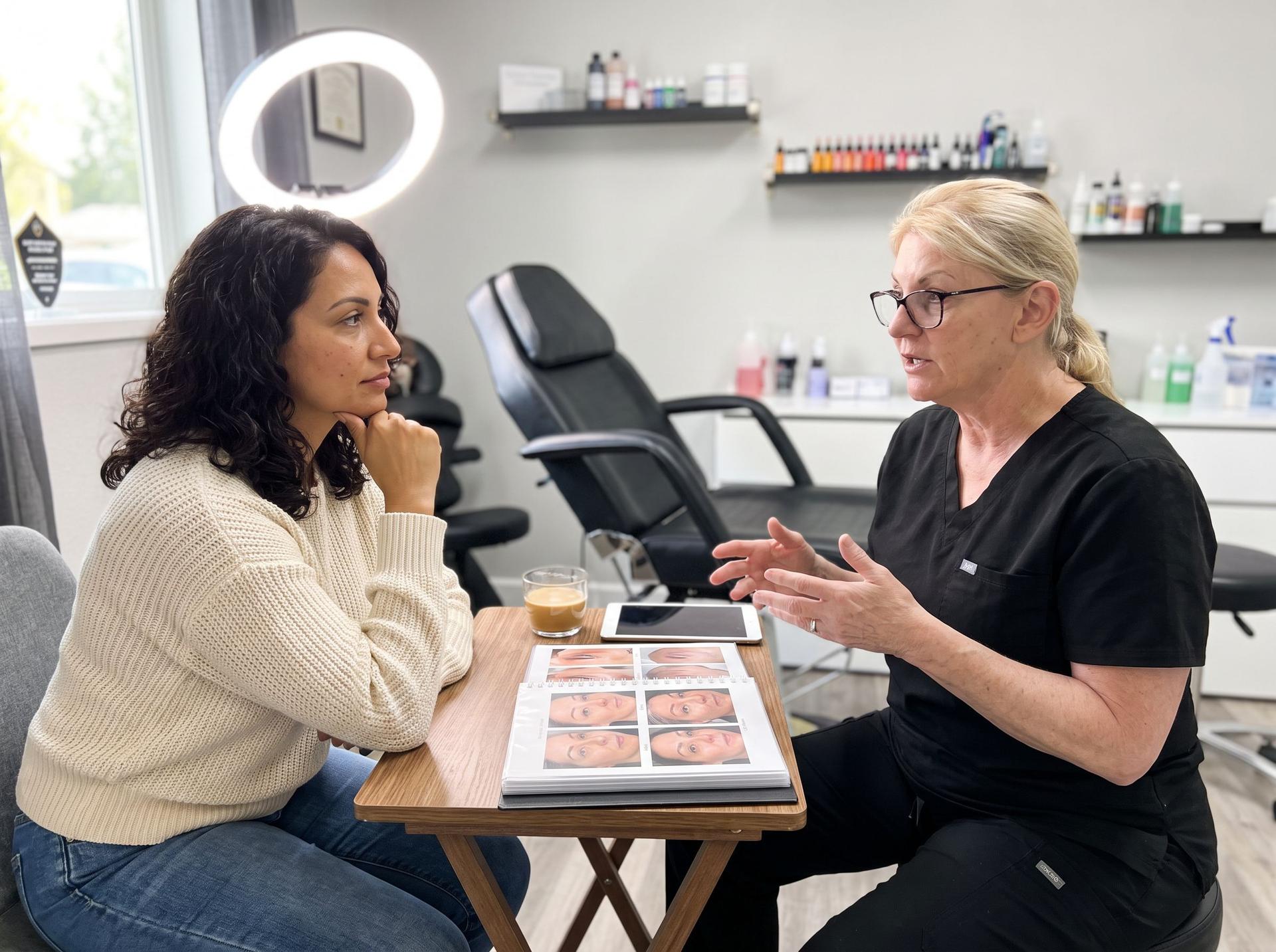
Before treating suspected female pattern hair loss, I recommend finding out what is causing the thinning. A consultation with a qualified medical professional, such as a dermatologist or trichologist, may help identify other diseases, metabolic conditions or hormone imbalances that can produce a similar pattern.
Scalp micropigmentation conceals the appearance of thinning, but it does not diagnose, prevent or treat an underlying disease. If your hair loss is sudden, patchy, painful, inflamed or changing quickly, medical assessment is especially important before considering cosmetic treatment.
I also need to know about your medical history, allergies, scalp condition, lifestyle and expectations. SMP should be avoided by people who are prone to forming keloids. Disclose all allergies and any relevant condition or medication before treatment so that we can discuss whether proceeding is appropriate.
How should you prepare for an appointment?
Before a session, wash your hair and scalp so the treatment area is clean and free from heavy product. At the appointment, I mark the areas to be treated, discuss the shape and density plan, confirm the pigment color and apply numbing medicine. I want you to understand the intended result before I begin.
A full course commonly involves several sessions spaced a few weeks apart, with session length depending on the size and complexity of the area. I assess your response as the work progresses rather than promising a fixed schedule or a particular final appearance.
I use a controlled approach designed for the scalp rather than drawing long hair strokes into it. Microblading is not the technique I recommend for full scalp density work, because healed lines may blur, discolour or create an unnatural solid appearance. SMP relies on carefully spaced dots and appropriate pigment depth.
What is recovery like when you keep your hair long?
After treatment, keep the scalp dry during the initial healing period. A shower cap can help when bathing. Avoid heavy exercise, steam rooms and hot showers that cause sweating, and protect the scalp from sun exposure for the first several days.
Initial pigment can appear darker or stronger before it softens. Light flaking or scabbing may occur while the skin heals, so do not pick or scratch the area. Follow the specific aftercare instructions provided at consultation. Informational aftercare guidance cannot replace advice about an individual medical concern.
Once healed, long hair can generally be styled as usual, subject to the aftercare period. Use broad-spectrum sunscreen on the scalp long term, because sun exposure can contribute to fading. The timing of a touch-up varies with skin, sun exposure, lifestyle and the way your scalp holds pigment.
Scalp micropigmentation is intended to be lasting cosmetic work, although it can fade and can be removed later with laser treatment. Removal is more complicated when the original pigment was placed incorrectly, which is why experience, hygiene and careful planning matter from the beginning.
How do you choose an SMP practitioner?
Look for a licensed cosmetic or body artist with relevant SMP training, a county body artist licence where applicable and current bloodborne pathogens certification. Ask how the practitioner handles long hair, diffuse thinning, different hair colors and changing hair-loss patterns.
Review healed work, not just immediately finished work. Ask how pigment is selected, how the hairline is designed and what happens if your hair loss changes later. A patch test may also be discussed to assess sensitivity to the pigment before full treatment.
I am certified in SMP and continue my advanced training and ongoing education. I provide female, male density and shaved scalp micropigmentation at Micropigment Studio in Willow Glen, San Jose. You can find contact and location information for Micropigment Studio before arranging a consultation.
If you are considering a fuller-looking front hairline specifically, my guide to whether a woman’s front hairline can look fuller with SMP may help you think through that option.
If you would like to explore whether this approach suits your hair and scalp, you are welcome to book a consultation.
Frequently asked questions
Can women with blonde, red or gray hair have scalp micropigmentation?
It may be possible, but color selection and contrast control are particularly important with lighter or gray hair. I assess your current follicle color, surrounding hair and skin tone before choosing pigment. The goal is to reduce visible scalp without making the treated area look darker or disconnected from your natural hair.
Will scalp micropigmentation show if I wear my hair in a ponytail?
That depends on where the thinning is located and how tightly the style exposes the scalp. I assess your usual hairstyles during consultation and plan the density work around them. A ponytail may reveal areas that are less visible when your hair is loose, so expectations should be discussed honestly.
Can I continue using hair fibres after treatment?
You should follow the aftercare instructions about products during healing, because the scalp needs to remain clean and undisturbed. After healing, product use can be discussed according to your scalp and styling routine. Hair fibres may still be useful for some clients, but they are not required for the pigment to remain in the skin.
Can scalp micropigmentation cover a part line without making it look wider?
It can sometimes reduce the contrast along a visible part line, but the treatment must be placed lightly and with appropriate spacing. A part line that is made too dark or too dense may look artificial. I assess the width of the part, surrounding hair and your normal styling before recommending an approach.
Can women with alopecia have scalp micropigmentation?
Some women with alopecia may be candidates, including certain cases of alopecia areata or scarring alopecia. Suitability depends on whether the condition is stable, the scalp’s condition and the pattern of loss. Medical assessment is important first, because cosmetic pigment does not treat the cause and results may vary.
Does scalp micropigmentation prevent future hair loss?
No. SMP creates a visual effect only. It does not stop hair loss, stimulate growth or alter the follicles. If your hair continues to thin, the relationship between the pigment and surrounding hair may change. I discuss this possibility during consultation so the plan remains realistic and adaptable.
Can I wear a wig or hairpiece after the treatment?
You may need to pause anything that rubs, traps heat or causes sweating during the initial healing period. Once the scalp has healed, wig or hairpiece use can usually be considered according to your aftercare guidance and comfort. Discuss the fit, adhesive and usual wearing schedule before treatment if these are important to you.
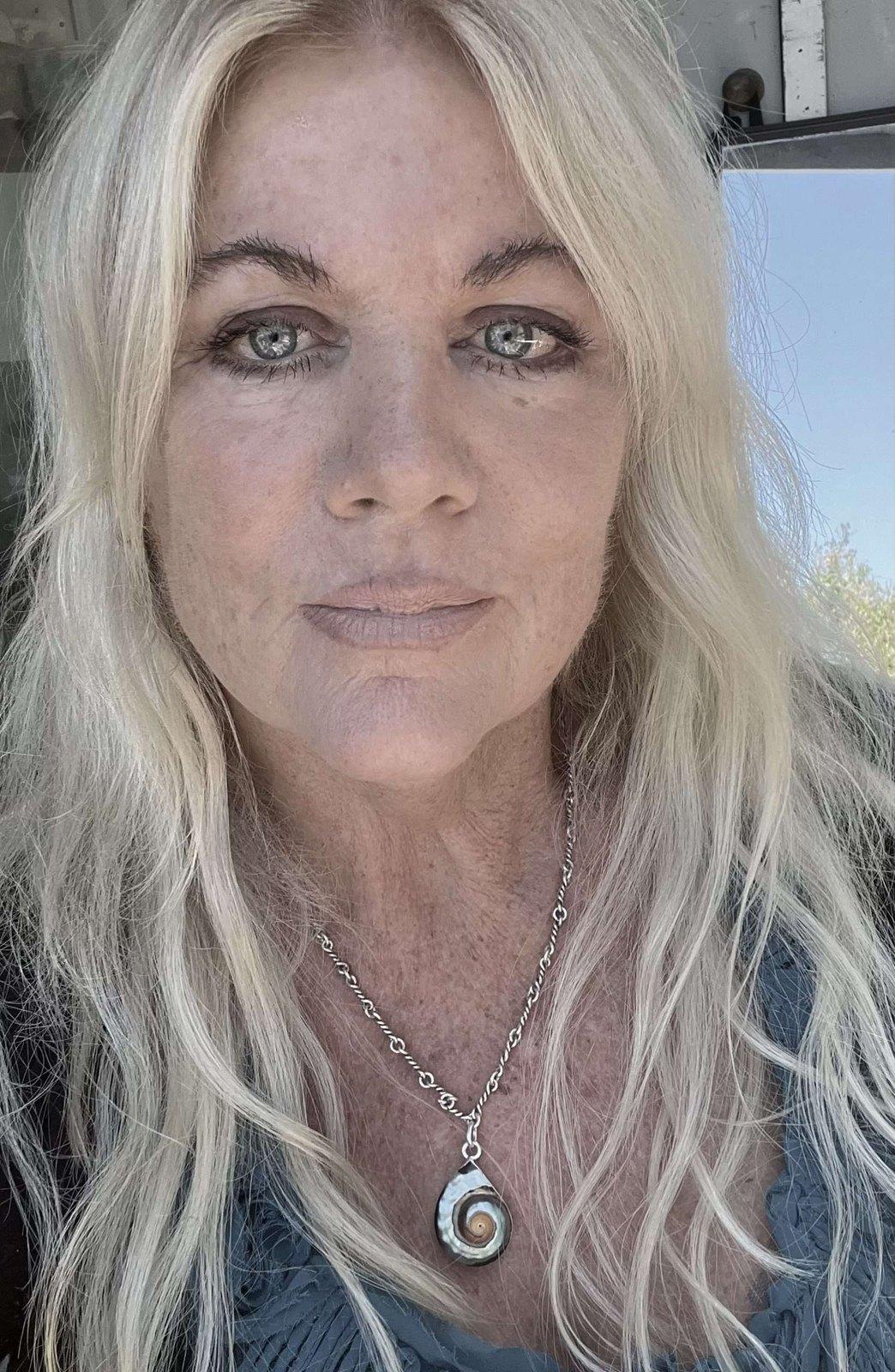
Janette Archer
SMP and permanent makeup artist
Janette studied at Elegance International Academy of Professional Makeup in west Los Angeles, receiving her certification in makeup artistry for television and photographic makeup in 1978.
Meet JanetteFind us first on Google